Broken-Heart Syndrome is also known as Takotsubo (Stress) Cardiomyopathy

Nurse helping a senior patient. (Wavebreak Media)

Takotsubo cardiomyopathy is a transient acute illness typically precipitated by acute emotional stress. It is also known as “stress cardiomyopathy” or “broken-heart syndrome.” In 2011, there was an article on this subject in a medical journal, Circulation, by Dr. Scott W. Sharkey and his colleagues from the Minneapolis Heart Institute Foundation at Abbott Northwestern Hospital, Minneapolis, MN explaining the signs, symptoms and treatment of this illness.

In Japanese, “tako-tsubo” means “fishing pot for trapping octopus,” and the left ventricle (pumping chamber of the heart) of a patient diagnosed with this condition resembles that shape.

This is a fairly new condition recognized initially in Japan in 1990, with the first report emerging from the United States in 1998. Takotsubo cardiomyopathy starts suddenly, with symptoms of chest pain and, often, shortness of breath. The condition affects women older than 50 years of age (only 10 per cent in men). Most patients go to the emergency department thinking they have a heart attack.

Sharkey gives examples of emotional stressors which include grief (death of a loved one), fear (armed robbery, public speaking), anger (argument with spouse), relationship conflicts (dissolution of marriage), and financial problems (gambling loss, job loss). Physical stressors include acute asthma, surgery, chemotherapy, and stroke.

“Although patients with takotsubo do not have significantly narrowed coronary arteries, in the early hours takotsubo and heart attacks share many similarities in presentation, including chest pain and breathlessness, as well as abnormalities in both the electrocardiogram and blood biochemical tests,” says the article. But coronary angiogram will show normal coronary arteries but unusual shape of the left ventricle that has given takotsubo its unique name.

Once the diagnosis is made (via several invasive investigations) patients are in the intensive care unit for at least 24 hours, during which time vital signs are monitored and blood is tested for troponin (a protein released by injured heart muscle). Medications are used to promote recovery of heart muscle and blood thinners are used to avoid a stroke caused by a blood clot traveling from the heart to the brain.

Major life-threatening complications are infrequent. Low blood pressure (hypotension), fluid buildup in the lungs (congestive heart failure) and a chaotic heart rhythm will require appropriate medications.

“Fortunately, with timely recognition and supportive therapy, takotsubo events are reversible, and recovery is usually rapid and complete. Heart function (contraction) gradually improves over several days and is usually normal by hospital discharge (3–7 days). The term stunned heart muscle is commonly used to indicate that injury in takotsubo, although initially profound, is only temporary. Drugs are discontinued once heart contraction has returned to normal,” says Sharkey.

Why would acute stress cause heart failure? This is an unresolved question. It may have something to do with the autonomic nervous system. It has been suggested that when powerful hormones such as adrenaline are released in excess, the heart muscle can be damaged in patients with takotsubo. Fortunately, the long term prognosis is good. Nearly all patients survive an acute takotsubo episode. In approximately five per cent of patients, a second (or third) stress-induced event may occur. Best thing is to avoid stressful situations. Relax, do deep breathing exercises and keep smiling.

Start reading the preview of my book A Doctor's Journey for free on Amazon. Available on Kindle for $2.99!

Low Dose Aspirin Increases the Risk of Upper Gastrointestinal Bleeding

Aspirin bottle. (iStockphoto)

Low-dose acetylsalicylic acid – also known as aspirin – (75 mg⁄day to 325 mg⁄day) is recommended for primary and secondary prevention of cardiovascular events, but has been linked to an increased risk of upper gastrointestinal bleeding (UGIB), according to a study published by Valkhoff and his colleagues (Can J Gastroenterol. 2013 Mar;27(3):159-67).

They analyzed several studies. All studies found low dose aspirin use to be associated with an increased risk of UGIB. The mean number of extra UGIB cases associated with low dose aspirin use was 1.2 per 1000 patients per year. Sounds like a small number when you think of the number of people who take aspirin all over the world. But the authors indicate use of low dose aspirin was associated with a 50 per cent increase in UGIB risk.

What about other anti-inflammatory drugs? Are they safe?

Commonly used traditional anti-inflammatory drugs like ibuprofen are also known as non-steroidal anti-inflammatory drugs (NSAID) are widely used for all kinds of pain. An editorial by Jacob Josh, Professor of Medicine, University of Ottawa, Ottawa, Ont. titled, “Anti-inflammatory drugs: What is safe?” (CMAJ August 29, 2006), says “Sixteen thousand deaths a year in the United States and 1900 a year in Canada were blamed on NSAID-induced gastric perforations, obstructions and bleeds. NSAID use was complicated also by numerous other side effects, including hypertension, heart failure and renal insufficiency.”

The risks are not limited to long-term use. Clinically significant adverse cardiovascular events are noted within the first 30 days of treatment.

Do you always have to take an NSAID if you are in pain and thus increase the risk of complications? Not really. You can try other modalities of pain relief by rest, application of ice and use of acetaminophen. Acetaminophen, up to 4 g/day, is as effective as an orally administered NSAID in about 40 per cent of patients with mild to moderate osteoarthritis.

Then there are occassions when pain cannot be relieved by what we call conservative measures. So we have to weigh our options. First, we should assess patient risk. There is an increased risk of gastric toxicity if:
-the patient is over 65,
-has had previous upper GI bleed,
-there is concurrent therapy with low-dose aspirin, corticosteroids or anticoagulants.

Under these conditions we should try prescribing a coxib (like Celebrex) or traditional NSAID with concurrent cytoprotection (to protect the stomach lining) with misoprostol or a proton pump inhibitor. If the patient has had a recent heart attack or episode of congestive heart failure, then he should not take NSAID or coxib.

Josh says, “In case of uncontrolled hypertension, we should not choose an NSAID or coxib until the blood pressure is well controlled. If the patient has controlled blood pressure that becomes elevated while taking an NSAID or coxib, even by 5 mm Hg systolic, adjust the antihypertensive medications or stop the anti-inflammatory, or both.” Monitor renal function as well.

Josh says there is nothing like a safe NSAID or coxib. In high-risk patients, we should avoid them. Concomitant use of low dose aspirin does not protect you from cardiac side-effects of NSAID or coxib. There is adequate data to suggest aspirin enhances the gastric toxicity of anti-inflammatory drugs as mentioned earlier.

If you are in pain, careful use of painkillers is very important. If you are taking aspirin as a prophylaxis against cardiac problems then weigh your risk factors and your options. If you are taking NSAID for chronic pain then you need to know your risks. Discuss risk vs. benefits of the medications you are taking with your doctor.

Start reading the preview of my book A Doctor's Journey for free on Amazon. Available on Kindle for $2.99!
Georgia (and the Masters) on my mind!

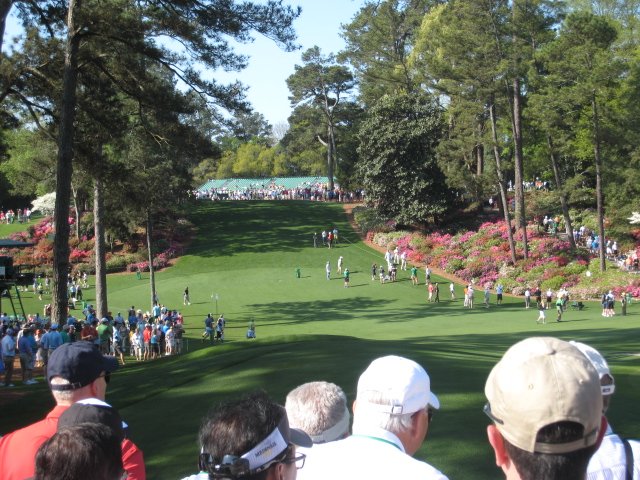
General view of the Augusta National Golf Course.
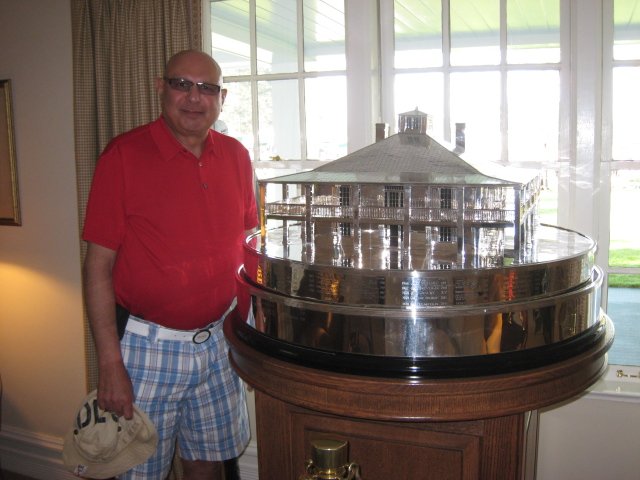
Noorali with the Masters trophy at the Augusta National Golf Club.
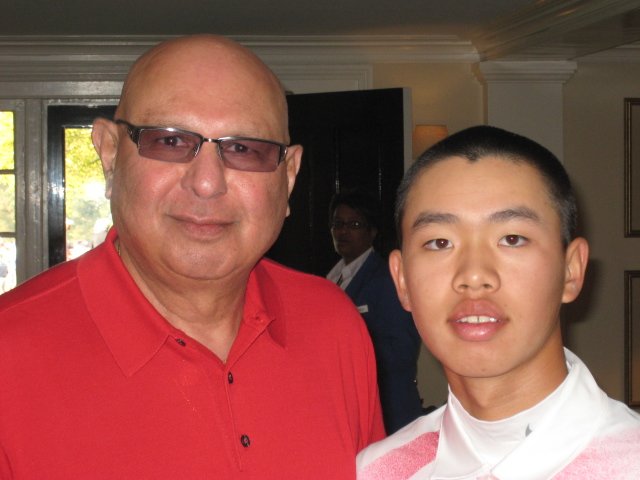
Noorali with Tianlang Guan from China, 14-yr-old eighth grader in school, the youngest player to play the Masters and make a cut.
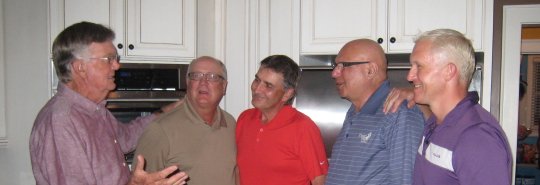
Kitchen encounter with "Mr. 59". Al Geiberger. From L to R: Al Geiberger, Harry, Tony, Noorali, Dan.
Kitchen encounter with “Mr. 59”. Al Geiberger. From L to R: Al Geiberger, Harry, Tony, Noorali, Dan.
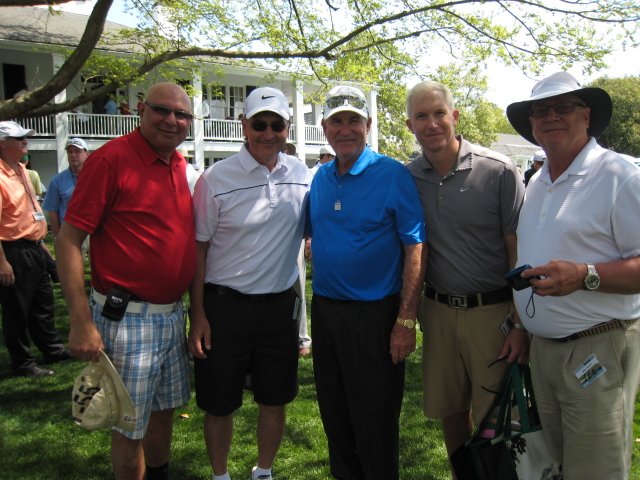
With Dave Stockton, short game guru and a well known American Golfer. From L to R: Noorali, Tony, Dave Stockton, Dan, Harry.
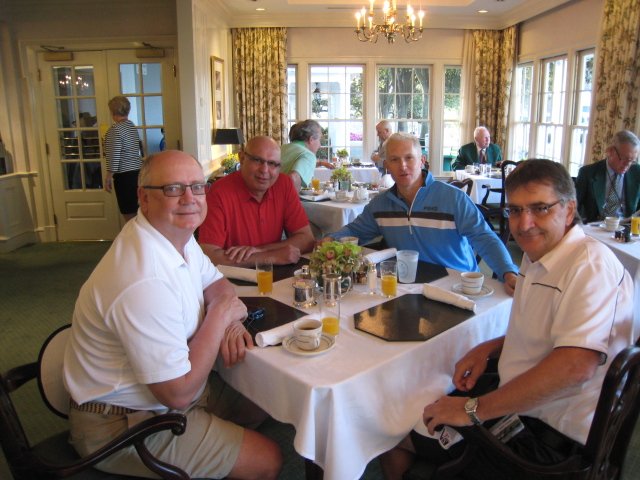
Having breakfast in the clubhouse - restricted to members and their guests. L to R: Harry, Noorali, Dan, Tony.
Having breakfast in the clubhouse – restricted to members and their guests. L to R: Harry, Noorali, Dan, Tony.
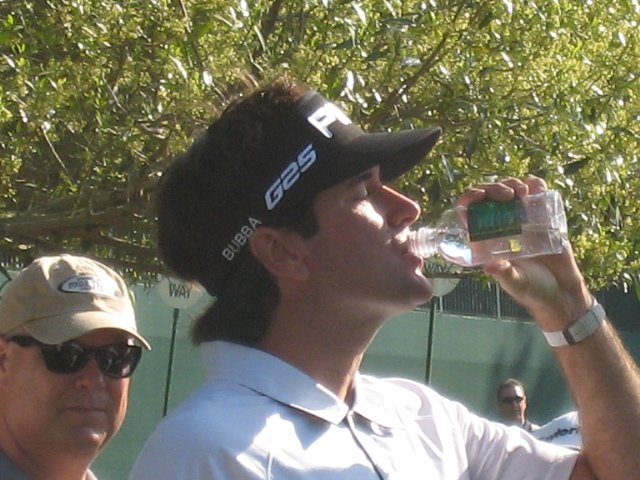
Bubba Watson - 2012 Masters champion quenching thirst during the Masters practice round before hitting his tee shot.
Bubba Watson – 2012 Masters champion quenching thirst during the Masters practice round before hitting his tee shot.
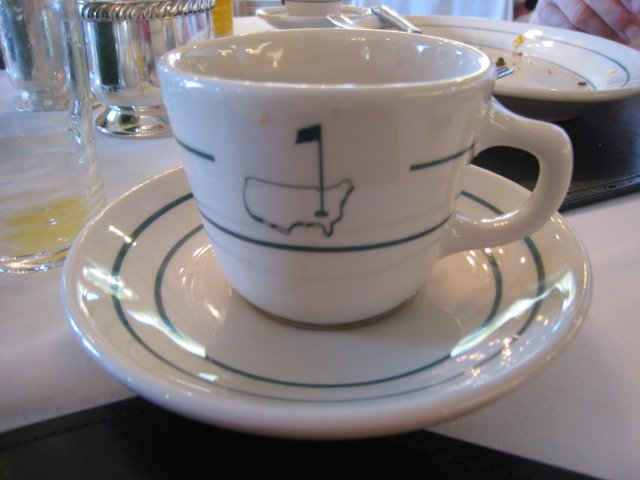
Augusta National Golf Club coffee cup and saucer.
General view of the Augusta National Golf Course.

We (Tony, Dan and yours truly) arrived in Atlanta, Georgia on Friday April 5. We were picked up by our friend from Kentucky, Harry and drove to Reynolds Plantation in Greensboro, GA. We checked into our hotel, The Ritz-Carlton.

Reynolds Plantation is a golf and lake community providing a lifestyle with six golf courses and access to Lake Oconee, Georgia’s second largest lake. It has 10,000 acres of land, four full service marinas and 90 miles of shoreline.

We had tickets to the Masters for Tuesday April 9 practice round and Thursday April 11, first day of the Masters. We had decided to golf for three days at Reynolds Plantation before going to Augusta. On Saturday we golfed at The National and Great Waters – 36 holes for the day. On Sunday we golfed The Plantation Course and Harbour Club. Monday we golfed in the morning at The Oconee and drove to Augusta in the afternoon.

In Augusta, we were accommodated in a beautiful house by our host. On Tuesday, we were driven to the Augusta National Golf Club by our host who had special privileges at the Club House. We drove through the famous Magnolia Lane and then given a tour of the clubhouse. We had breakfast at the clubhouse where only members and their guests are allowed. We also had lunch on the lawn which is also a restricted area. We had our pictures taken with the Masters trophy which sits in the clubhouse.

Practice round is the only day cameras and cellphones are allowed on the course. We had an opportunity to walk around the course, follow some famous golfers on the course, take hundreds of pictures of who’s who on the PGA tour, we had a group photo with Dave Stockton, the short game guru of many players including Phil Mickelson. In the evening we had a kitchen encounter in a private home with “Mr. 59” Al Geiberger and his two sons who are also well known in their own sporting fields.

Al Geiberger, won eleven times on the PGA Tour, with victories that included one major championship, the 1966 PGA Championship. On June 10, 1977, in the second round of the Danny Thomas Memphis Classic played at the Colonial Country Club in Cordova, Tennessee, he became the first person in history to post a score of 59 (par was 72) in a PGA event. Incidentally, Dave Stockton was one of Geiberger’s playing partners that day.

That Tuesday afternoon we were free so we booked a course (The River Golf Club) in North Augusta, South Carolina – a 45-minute drive from Augusta, GA. On Wednesday, April 10, we played 36 holes of golf at Palmetto Golf Club in Aiken, South Carolina. So, by that time we had played nine rounds of golf in five days – this is the most golfing I have done in five days. At the end of it I felt tired but rejuvenated that I still had stamina to do this amount of activity! A self vote of confidence – so to speak.

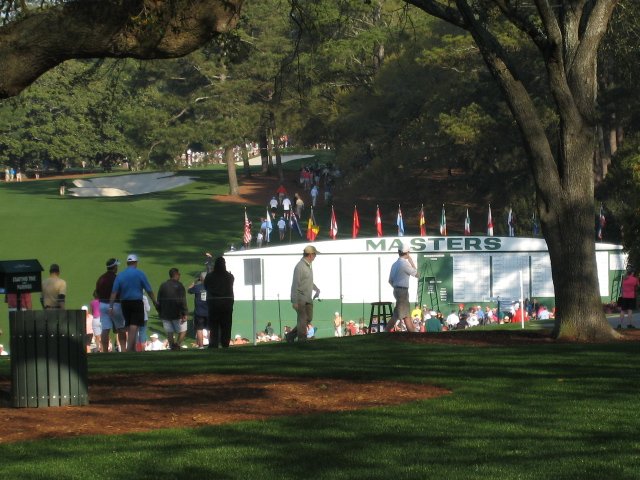
Thursday was the big day – first day of the Masters. We arrived at the course at seven in the morning, first tee time was at eight. Parking is free near the course – about five minutes walk from one of the gates. We went through the security and carefully walked to 14 and 15 hole and put our chairs at the rope around the green. If you are found running then you will be thrown out. There are too many rules to take care of. No cell phones or cameras are allowed inside after Thursday. There are thousands of people, so if you part with the members of your group then you will have hard time contacting them.

Once you put your chair down then nobody will move it. You can walk around and follow a group of golfers for a while. It is a long course. Every fairway has a hilly area to climb. When you are tired you can sit down and watch all the golfers go by. You can decide how you want to spend the day. I was thrilled to see all the players in person so closely from the ring side sit. It was a memorable moment. We returned home on Friday to watch the rest of the Masters on TV.

Masters ticket are one of the most difficult to buy. You can go to their website and apply. You can buy them from a certified ticket broker. According to Augusta Chronicle (April 7 2013), “… practice round tickets were ranging from as low as $350 for Monday, to more than $1,000 for Wednesday, ticket brokers said. A four-day tournament badge was going for about $6,500 but … prices can fluctuate wildly on any given day.” The law also sets a 2,700-foot boundary around the venue where no tickets can be resold. Augusta National policy prohibits the resale of Masters tickets.

Start reading the preview of my book A Doctor's Journey for free on Amazon. Available on Kindle for $2.99!
HPV Vaccine for Boys Reduces Incidence of Genital Warts and Cancer

A couple taking a funny picture with their car. (iStockphoto)

In 2008, in one of my columns, I wrote about the importance of vaccination against human papillomavirus (HPV) infection. It is beneficial to young teens before they have had sexual contact. The vaccine has demonstrated high level of antibody response amongst teens who have not been exposed to the virus. Initially the target group was young girls. By preventing HPV infection, we can prevent deaths from cervical cancer.

The vaccine is almost 100 per cent effective against four types of HPV, two of which are responsible for 70 per cent of all cervical cancers. The vaccine may have cross-protection against some other HPV viruses. Unfortunately, HPV infection can occur with the first sexual intercourse, and half of Canada’s young women become sexually active by age 16.

In 2007, Australia became one of the first countries to implement a nationally funded HPV vaccination programme for girls and young women. An editorial in the British Medical Journal published on April 18, 2013 titled, “HPV vaccination – reaping the rewards of the appliance of science,” lauds the Australian effort and its success. The analysis of data on 85,770 new patients from six Australian sexual health clinics showed a remarkable reduction in the proportion of women under 21 years of age presenting with genital warts – from 11.5 per cent in 2007 to 0.85 per cent in 2011.

The near eradication of genital warts in young Australian women will probably have a major impact on the costs of sexual healthcare. Now it is time for the boys to do something about sexually transmitted infection. Many young boys are sexually active. They show up with venereal warts from HPV infection. Kudos to Prince Edward Island (PEI). It has become the first Canadian province to extend publicly funded school-based HPV vaccination to boys, as reported by the Canadian Press on April 19, 2013.

In 2007, the National Advisory Committee on Immunization (NACI) recommended that girls and women aged nine to 26 be vaccinated for HPV. In 2012, NACI included males of the same age in that recommendation to prevent genital warts and anal-genital cancers.

On April 25, 2013 the Canadian Press (CP) reported a policy statement released by the Society of Obstetricians and Gynecologists of Canada asking provincial and territorial governments to extend HPV vaccination programs to cover boys as done by PEI. Common sense would say that it is difficult to justify not offering boys the same protection as girls get.

CP report says provinces and territories have been slow to follow the advice, given the high cost of the vaccines, which are administered in three doses. A full course of HPV vaccine costs between $400 and $500 if purchased outside the provincial programs, where the shots are provided for free. But the experts say health care cost savings from reduction of genital warts and its consequence over months and years should take care of the cost of the vaccine.

It is time boys get the same protection as girls.

Start reading the preview of my book A Doctor's Journey for free on Amazon. Available on Kindle for $2.99!