Chicago, the Windy City, has a Lot to Offer to Visitors

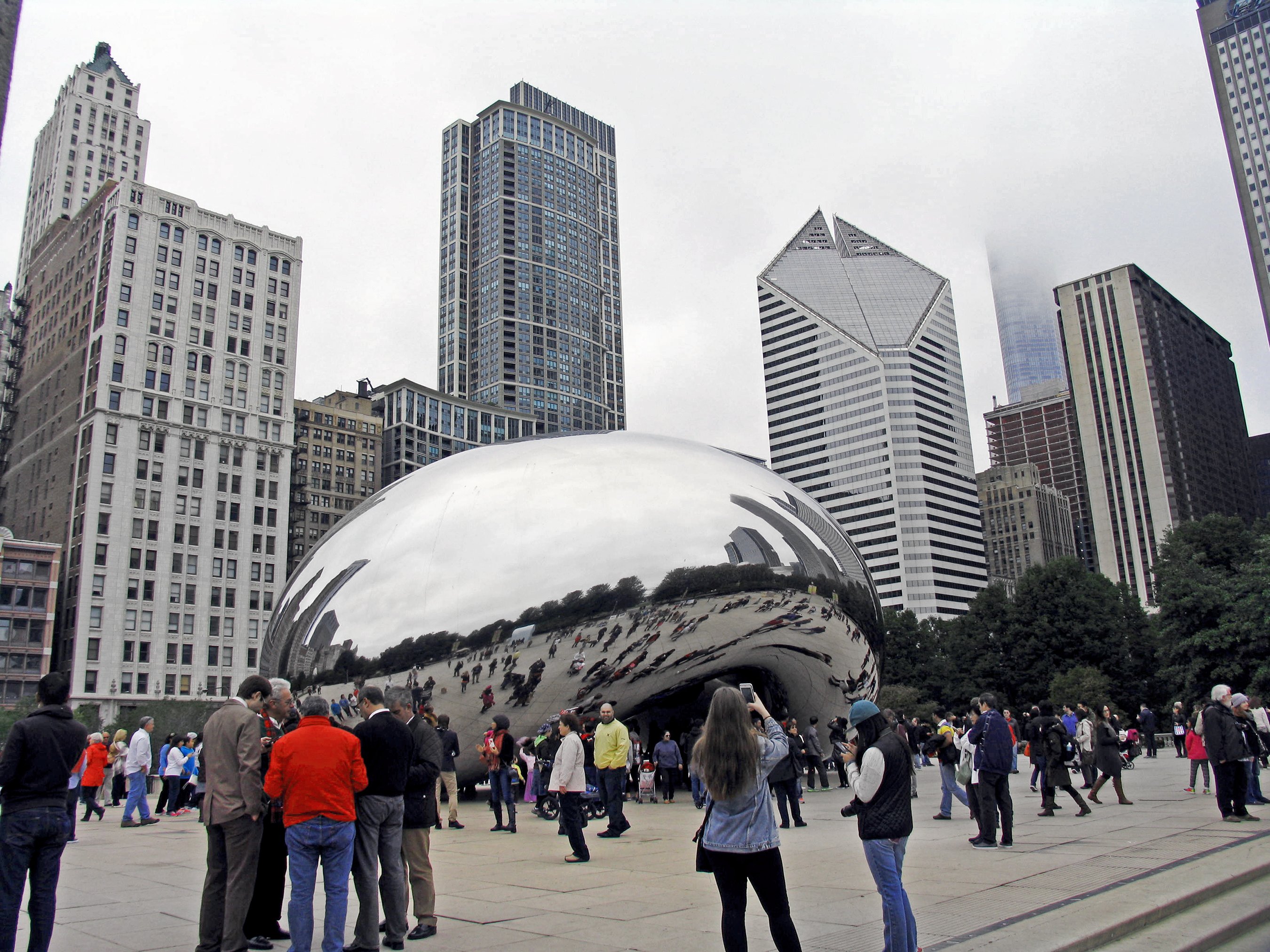
Cloud Gate, nicknamed The Bean, in Millenium Park, Chicago. (Dr. Noorali Bharwani)

If you haven’t been to Chicago then you are missing out on something. I was there to attend the American College of Surgeons meeting. Chicago is home to opera, jazz, museums, aquariums, parks, fountains, theatres, shopping malls, restaurants and extensive walking trails along the river.

Chicago was founded in 1833. It is the third most populous city in the United States. With over 2.7 million residents, it is the most populous city in the state of Illinois and the Midwest.

Chicago’s O’Hare International Airport is the busiest airport in the world when measured by aircraft traffic. The region also has the largest number of U.S. highways and railroad freight. Chicago has many nicknames, the best-known being the Windy City.

In Chicago, tourism is a serious business. In 2014, Chicago attracted 50 million domestic leisure travellers, 11 million domestic business travellers and 1.3 million overseas visitors. These visitors contributed more than US$13.7 billion to Chicago’s economy.

There are many ways to take sightseeing tours in Chicago. Ferries offer sightseeing tours along the Chicago River and Lake Michigan. You can take Hop-On Hop-Off tourist bus or you can walk. A 2011 study by Walk Score ranked Chicago the fourth most walkable of fifty largest cities in the United States.

Chicago’s Attractions

  1. The Magnificent Mile
    Chicago’s Magnificent Mile is the great Chicago shopping experience with an abundance and variety of boutiques and stores. It can satisfy all your shopping needs with towering shopping centers, chic designer studios, intimate specialty retail shops, iconic department stores, lavish luxury boutiques and trendy favorites all within an easy stroll.

  2. The Millennium Park

    The Bean (Cloud Gate) at Millenium Park in Chicago. (Dr. Noorali Bharwani) Looking Into My Dreams, Awilda, is one of four large-scale portrait sculptures titled Jamue Plensa: 1004 Portraits, in Millennium Park, Chicago. (Dr. Noorali Bharwani) Chicago Crown Fountain Sculpture (Dr. Noorali Bharwani)
    In Millennium Park, there is the reflective Cloud Gate sculpture. Cloud Gate, a public sculpture by Indian-born British artist Anish Kapoor, is the centerpiece of the AT&T Plaza in Millennium Park. Also, an outdoor restaurant transforms into an ice rink in the winter season. Two tall glass sculptures make up the Crown Fountain. The fountain’s two towers display visual effects from LED images of Chicagoans’ faces, along with water spouting from their lips.

  3. Chicago Riverwalk and River Cruise
    Originally, the Chicago River flowed into Lake Michigan, which was the source of the city’s drinking water. To improve public heath by reducing water pollution, engineers completed the reversal of the flow of the river in 1900. Now the water flows into Mississippi River and this keeps Lake Michigan clean. Since 1970, the city reduced pollution and started to beatify riverbanks with dazzling views, landscaped riverwalks, parks and cafes. The river today is a constantly changing and improving.

  4. Trump International Hotel and Tower (2009) – 1388 feet (423.1 meters)
    Trump International Hotel and Tower in Chicago. (Dr. Noorali Bharwani)
    At over 90 stories, Trump Tower, with a hotel at the base and residential units above, was designed by Skidmore, Owings and Merrill, the firm responsible for Burj Khalifa, Dubai the world’s current tallest building.

  5. The Chicago Loop
    The Chicago Loop is the central business district. The best way to go through the Loop is by taking Hop-On Hop-Off sight seeing bus.

With an estimated completion date of 2020, the Barack Obama Presidential Center will be housed at the University of Chicago in Hyde Park and include both the Obama presidential library and offices of the Obama Foundation.

If you plan to visit Chicago then make sure you plan well. Enjoy!

Start reading the preview of my book A Doctor's Journey for free on Amazon. Available on Kindle for $2.99!

Medical Management of Heartburn can be Challenging

An American Robin at Echo Dale Regional Park in Medicine Hat, Alberta. (Dr. Noorali Bharwani)

More than one-third of the population has symptoms of heartburn secondary to gastro-esophageal reflux disease (GERD), with about one-tenth afflicted daily. Infrequent heartburn is usually without serious consequences, but chronic or frequent heartburn (recurring more than twice per week) can have severe consequences.

Here are some points to remember to prevent complications secondary to reflux:

  1. Lifestyle modifications may or may not help. But it is worth trying. That means try and avoid stressful situations and learn to sleep well.
  2. Weight loss has been shown to be beneficial for individuals with recent weight gain or those with a BMI over 25.
  3. Elevation of the head of the bed and avoidance of late evening meals, particularly with high fat content, has shown to be beneficial for individuals with nocturnal symptoms or sleep disturbance.
  4. Avoid food that trigger heartburn such as chocolate, caffeine, citrus foods, spicy foods, carbonated beverages, etc., has been shown to be beneficial only if an individual can identify a specific trigger.

If a person has classical symptoms of GERD not relieved by conservative measures then it is worth trying a trial of medications called proton pump inhibitors (PPIs). There are several medications in this group and they all have very similar effect in terms of symptom relief or healing of erosive esophagitis (inflamed esophagus).

Some examples of PPI are: omeprazole (Losec), lansoprazole (Prevacid), pantoprazole (Tecta), esomeprazole (Nexium).

The PPI should be taken once a day, usually 30-60 minutes before the first meal of the day. The pills should be tried for a month or two to see if there is any relief of symptoms before ordering invasive investigations. If there is symptom relief then the patient can be put on maintenance therapy using the lowest effective dose, which could include on-demand therapy.

Some patients may have side effects from these medications such as headache, rash, diarrhea or constipation, nausea or abdominal pain. Dose reduction or change of pill may help.

If the PPI agents do not help then further investigation should be undertaken to make a diagnosis and check for complications such as acute inflammation or malignancy.

PPI has long-term side effects such as vitamin B12 deficiency, increased risk of infection, such as colitis with Clostridium difficile, warns Health Canada advisory issued in February 2012. They also warn that the high rate of seniors on PPIs raises worries about C. difficile outbreaks in hospitals and nursing homes.

C. difficile is a bacteria capable of causing life-threatening cases of diarrhea (10 bowel movements a day) and conditions like colitis.

By lowering stomach acid levels, PPIs might affect the body’s absorption of calcium, which in turn could lead to osteoporosis and fractures. Researchers found a link between long-term use of PPIs and hip fractures. Their results also suggested that the risk increased the longer people were taking PPIs.

If you suffer from GERD then try conservative measures such as: lifestyle changes, weight loss and eat smart by avoiding foods that bother your stomach. If you need to use PPI then try lower dose and short duration of treatment.

Finally, my British teacher used to advise his patients to avoid hurry, worry and curry!

Start reading the preview of my book A Doctor's Journey for free on Amazon. Available on Kindle for $2.99!
“Pink Viagra” for Women Coming Soon to Canada

"Who is the pretty one?" Birds in New Orleans, Louisiana. (Dr. Noorali Bharwani)

Most people know that in a relationship the sexual honeymoon does not last forever. Then came along Viagra for men’s erectile dysfunction. It was soon realized that a man needs a partner who has the same kind of desire. There are many women who have difficulty with libido – also known as hypoactive sexual desire disorder. They need help as well.

Now that help is here. The US Food and Drug Administration recently (August 2015) approved flibanserin (Addyi) for the treatment of reduced sexual desire in pre-menopausal women. This should offer help in the bedrooms of North American couples.

What is hypoactive sexual desire disorder (HSDD)?

HSDD affects up to one in 10 American women. It’s characterized as an unexplained persistent lack of sexual thoughts, fantasies, responsiveness and desire to engage in sex, which causes personal distress.

What you should know about the drug flibanserin (Addyi)?

  1. It is approved for the treatment of pre-menopausal women with reduced sexual desire that causes personal distress or relationship difficulties. The medication increases the number of satisfying sexual events per month by about one half over placebo from a starting point of about two to three.
  2. Most side effects of flibanserin were mild to moderate. The most commonly reported adverse events included dizziness, nausea, feeling tired, sleepiness, and trouble sleeping.
  3. Drinking alcohol while on flibanserin may result in severely low blood pressure.
  4. Flibanserin was originally developed as an antidepressant, before being repurposed for the treatment of low sexual desire.
  5. Flibanserin should not be used to treat low sexual desire caused by co-existing psychiatric or medical problems, problems in the relationship; or low sexual desire due to medication side effects.
  6. In the U.S. physicians and pharmacies dealing with flibanserin have to undergo a certification process, while patients need to submit a written agreement to abstain from alcohol.

How does flibanserin work?

Sexual response depends on several factors and actions. Various nerve transmitters, sexual hormones and other hormones play a significant role in sexual excitation and inhibition. Among nerve transmitters, excitatory activity is driven by dopamine and norepinephrine, while inhibitory activity is driven by serotonin. The balance between these systems is of significance for a normal sexual response.

By changing serotonin and dopamine activity in certain parts of the brain, flibanserin may improve the balance between these neurotransmitter systems in the regulation of sexual response.

Flibanserin (Addyi) has been favourably received by many physicians, women’s organizations and women in general. But there are some who have reservations. People who disapprove of this medication have questioned the relevance of turning a woman into a patient if she has no interest in having sex.

Only time will tell if in the long run the “female Viagra” will create overall satisfaction and happiness in the bedrooms of the nation. As our former Prime Minister Pierre Elliott Trudeau said, “There’s no place for the state in the bedrooms of the nation.” What about the drug companies? Can they bring satisfaction and happiness in our bedrooms?

Start reading the preview of my book A Doctor's Journey for free on Amazon. Available on Kindle for $2.99!

High-Rise Buildings Present Challenge in Cardiac Arrest

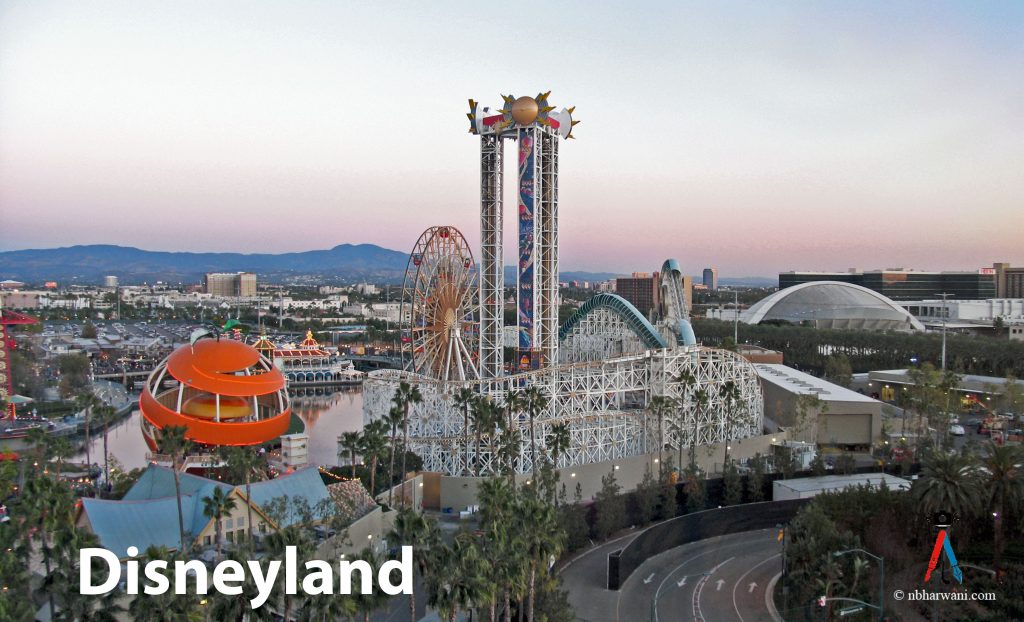
Disneyland. (Dr. Noorali Bharwani)

If there is a life-threatening emergency in a high-rise building then it is longer to rescue the people trapped in the building. In case of fire there are problems related to evacuation, accessibility, smoke movement and fire control.

What happens if you have a heart attack (cardiac arrest) in a high-rise building?

A study shows patients residing on higher floors of high-rise buildings in Toronto had lower survival after out-of-hospital cardiac arrest. Most out-of-hospital cardiac arrests occur in residential areas, and these cases are associated with poorer outcomes than nonresidential cardiac arrests, says an article in the Canadian Medical Association Journal (CMAJ).

Studies have shown that the mean time from ambulance arrival on scene to patient contact was 2.8 minutes for people on the first two floors but 3.1 minutes for those on the 3rd to 9th floors and 3.3 minutes for those on the 10th floor or higher.

Cardiac arrests on higher floors had longer rescue times, which contributed to poorer outcomes.

There are a number of issues which affect access in a high-rise building. For example:

  • Lack of witnesses to provide immediate help, CPR (Cardio Pulmonary Resuscitation) or call to paramedics.
  • There are barriers to elevator access. Studies have shown additional elevator stops happened in 18.6 per cent of high-rise residential calls. Elevators were not easily accessible in 33.9 per cent of all paramedic calls to apartment buildings.
  • Requirement for an entry code to a building (67.6 per cent of all access barriers), lack of directional signs (82.6 per cent) and inability to fit the ambulance stretcher into the elevator (67.9 per cent).
  • CPR in elevators is challenging.

What would help?

  • Train the family members of those at risk to do CPR.
  • Place automated external defibrillators strategically in certain residential locations.
  • Smartphone technology can link residents who are trained first responders to defibrillators in their neighbourhoods and to victims of cardiac arrest in apartments.

Recently another article in CMAJ (January 18, 2016) discussed this subject. During the study period, 7842 cases of out-of-hospital cardiac arrest met the inclusion criteria. Of these 76.5 per cent of patients had cardiac arrest below the third floor and 23.5 per cent of the patients had cardiac arrest on the third floor or higher.

The authors found survival was greater on the lower floors (4.2 per cent v. 2.6 per cent). They also found survival was 0.9 per cent above floor 16, and there were no survivors above the 25th floor. Wow, that can make you nervous!

Their conclusion: “In high-rise buildings, the survival rate after out-of-hospital cardiac arrest was lower for patients residing on higher floors. Interventions aimed at shortening response times to treatment of cardiac arrest in high-rise building may increase survival.” This kind of action can alleviate other disasters like fire.

Start reading the preview of my book A Doctor's Journey for free on Amazon. Available on Kindle for $2.99!