New Year’s Resolution: Drive Safely and Prevent Motor Vehicle Collisions

Sunrise at Haleakala Volcano Summit in Maui. (Dr. Noorali Bharwani)

“Only I can change my life. No one can do it for me.” -Carol Burnett

Most people are good and responsible drivers. They care about their own safety and they care about others. But some drivers are serious threat to safety.

A recent survey done by the Alberta Motor Association and published in their magazine (AMA Insider – Winter 2017) identified the following five actions to be serious threat to safety while on the road:

  1. Drivers texting or emailing
  2. Drivers talking on the phones
  3. People driving after drinking alcohol
  4. Aggressive driving
  5. Speeding on residential streets

It is estimated that traffic collisions would soon become the third major cause of death worldwide. The major victims of these traffic collisions are people between five and 44 years of age. That is tragic.

Let us briefly look at what Transport Canada has to say about road safety.

Although drivers aged 15 to 34 represent only about 30 per cent of the driving population, they accounted for 40 per cent of the fatalities and 45 per cent of the serious injuries, indicating that younger drivers are at greater risk.

The annual social costs of the motor vehicle collisions in terms of loss of life, medical treatment, rehabilitation, lost productivity, and property damage are measured in tens of billions of dollars. We can certainly use that kind of money treating other health issues.

Here are few examples where we can do better:

  1. Seat belts worn correctly can reduce the chances of death and disability. It is estimated about 300 lives could be saved every year if everyone wore seat belts.
  2. Aggressive driving includes speeding, running red lights, tailgating, weaving in and out of traffic, and failing to yield right of way, among other behaviours should be avoided. Forty per cent of speeding drivers involved in fatal crashes were 16 to 24 years of age.
  3. Young drivers, 16 to 24 years of age, continue to be at higher risk of being killed in motor vehicle collisions. One of the reasons being the use of cell phones or other similar devices while driving.
  4. In 2008, coroners’ testing showed almost 40 per cent of fatally injured drivers had been drinking some amount of alcohol prior to the collision.
  5. Drugs, other than alcohol, are also being found in about one-third of tested fatally injured drivers, similar to the prevalence of alcohol.

There are many other reasons why a driver can be distracted: using electronic devices, reading maps, eating, drinking, talking, or impaired by fatigue.

It is estimated about 20 per cent of fatal collisions involve driver fatigue. Everyone is subject to their body’s circadian rhythms such that they are less alert during certain times of the day, usually 2:00-4:00 a.m. and 2:00-4:00 p.m. Therefore, taking breaks from driving during these times could lower the risk of fatigue related collisions.

Let’s make a New Year’s resolution to drive safely and prevent death and disability.

Have a happy and healthy 2018.

Start reading the preview of my book A Doctor's Journey for free on Amazon. Available on Kindle for $2.99!
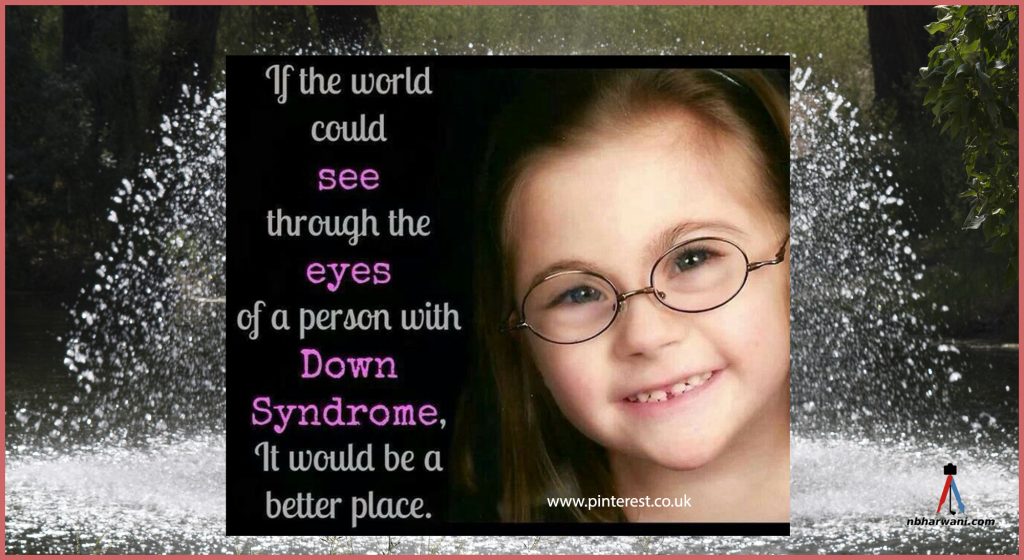
Maternal Age the Most Significant Risk Factor Associated with Down Syndrome

“Attacking people with disabilities is the lowest display of power I can think of.” -Morgan Freeman

Down syndrome is the most frequently occurring chromosomal congenital abnormality in Canada. It is a lifelong condition. It adversely affects infant’s life and mortality.

An English physician John Langdon Down first described Down syndrome in 1862, and helped to differentiate the condition from mental disability. Prior to that for centuries, people with Down syndrome have been alluded to in art, literature and science. Many individuals were killed, abandoned or ostracized from society. Many of these children died during infancy or early adulthood.

Humans usually have 46 chromosomes in every cell, with 23 inherited from each parent. Due to the extra copy of chromosome 21 (trisomy 21), people with Down’s syndrome have 47 chromosomes in their cells. This additional DNA causes the physical characteristics and developmental problems associated with the syndrome.

The cause of the extra full or partial chromosome is still unknown. Maternal age is the only factor that has been linked to an increased chance of having a child with Down syndrome. There is no definitive scientific research that indicates Down syndrome is caused by environmental factors or the parents’ activities before or during pregnancy.

The additional partial or full copy of the 21st chromosome that causes Down syndrome can originate from either the father or the mother. Approximately five per cent of the cases have been traced to the father.

Children with Down syndrome experience intellectual delays and are at an increased risk for several medical conditions.

Congenital heart defects and respiratory infections are the most frequently reported causes of death in children and young adults with Down syndrome. Childhood leukemia is also associated with Down syndrome.

Due to higher birth rates in younger women, 80 per cent of children with Down syndrome are born to women under 35 years of age. Women aged 35-39 years have the highest percentage of babies born with Down syndrome (29 per cent).

According to a report on the Government of Canada website, the birth prevalence of Down syndrome in Canada from 2005 to 2013 has remained stable. Approximately one in 750 live born babies in Canada has Down syndrome. Advanced maternal age is the most significant risk factor, says the website.

Prenatal screening for Down syndrome has advanced in both accuracy and early detection. The number of children born with Down syndrome has remained stable due to increased use of prenatal diagnostic procedures followed by terminations of pregnancies.

The Society of Obstetricians and Gynecologists of Canada’s clinical care guidelines for prenatal testing advise against using maternal age as the only criterion for invasive prenatal diagnosis. They recommend prenatal screening for clinically significant fetal abnormalities be offered to all pregnant women, irrespective of age.

There are 45,000 Canadians with Down syndrome, with a very active organization, Canadian Down Syndrome Society (CDSS). The CDSS is a non-profit organization that provides Down syndrome advocacy in Canada, says their website.

The organization helps people with Down syndrome. People with Down syndrome can go to school, finish university, find careers, and get married. CDSS goal is to ensure all people with Down syndrome live fulfilled lives. It is Canada’s voice for Down syndrome.

Start reading the preview of my book A Doctor's Journey for free on Amazon. Available on Kindle for $2.99!

Autism Spectrum Disorder (ASD) Encompasses Four Challenging Conditions

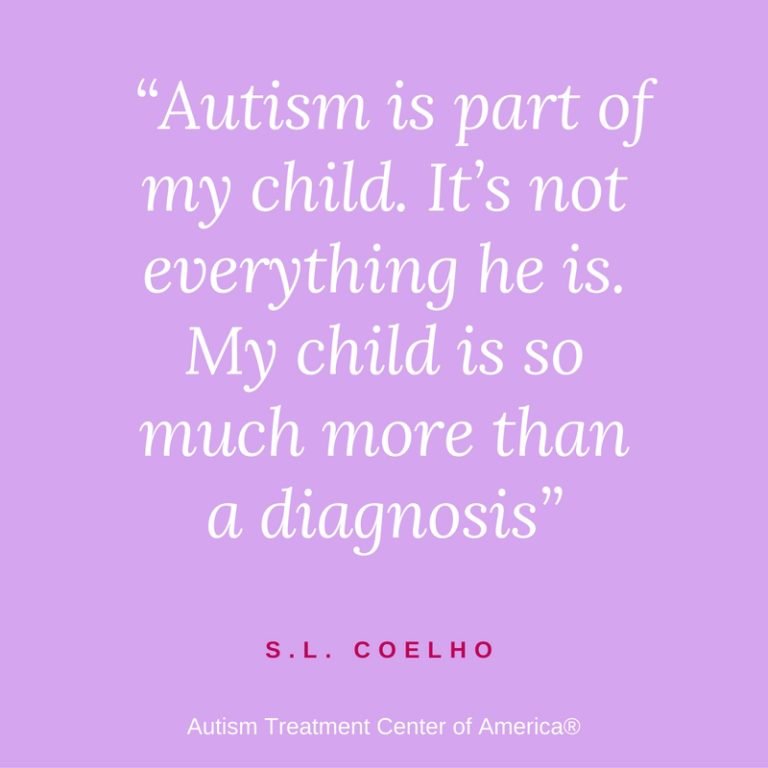
"Autism is part of my child. It's not everything he is. My child is so much more than a diagnosis" -S.L. COELHO (Autism Treatment Center of America)

In 2013, the American Psychiatric Association merged four previously distinct diagnoses into one umbrella diagnosis of autism spectrum disorder (ASD). What causes these conditions? We don’t know. There are different combinations of genetic and environmental influences that cause these illnesses.

The four conditions are:

  1. Autistic disorder
  2. Childhood disintegrative disorder
  3. Pervasive developmental disorder-not otherwise specified (PDD-NOS)
  4. Asperger syndrome

These four conditions are characterized by challenges with social skills, repetitive behaviours, speech and nonverbal communication, as well as by unique strengths and differences.

Autism is a lifelong spectrum disorder. Autism is now the fastest growing and most commonly diagnosed neurological disorder in Canada. Autism occurs in all racial, ethnic and socio-economic groups.

Autism has no single known cause. Given the complexity of the disorder, and the fact that symptoms and severity vary, there are probably many causes. Both genetics and environment may play a role.

There is no link between vaccines and autism. And there’s no way to prevent autism.

In Canada, one in 68 children are currently diagnosed with autism spectrum disorder. The prevalence of autism has increased over 100 per cent in the last 10 years.

The unemployment rate for individuals with ASD is over 80 per cent. With the right support, all individuals with autism can thrive. No two people with autism are the same, not even identical twins.

How do you know your child is autistic?

Because autism varies widely in symptoms and severity, making a diagnosis may be difficult. Mental health concerns such as anxiety and depression are common in individuals with autism. There isn’t a specific medical test to determine the disorder.

Autism’s most obvious signs tend to appear between two and three years of age. Sometimes developmental delays associated with autism can be identified and addressed even earlier.

Autism is characterized by what is clinically described as “deficits in social reciprocity.” Social reciprocity may include a range of back-and-forth actions, such as gestures, sounds, play, attention, and conversation.

Around one third of people with autism have difficulty with communication and have intellectual disability. Many of these individuals have stomach and bowel problems, seizures, sleep disturbances, attention deficit, hyperactivity disorder (ADHD), anxiety and phobias.

The symptoms are varied, but one thing is clear: the earlier a child is diagnosed and begins receiving services, the better the outcome for the child.

Management of a child with autism spectrum disorder

There is no cure for autism but intensive, early treatment can make a big difference in the lives of many children.

Each child with autism spectrum disorder is different with a unique pattern of behavior and level of severity – from low functioning to high functioning, normal to high intelligence. As they mature, some children become more engaged with others and show fewer disturbances in behavior.

Unfortunately, some continue to have difficulty with language or social skills, and the teen years can bring worse behavioral and emotional problems. The goal of treatment is to maximize your child’s ability to function. Early intervention during the preschool years is important. It can help your child learn critical social, communication, functional and behavioral skills.

For more information visit Autism Speaks Canada

Start reading the preview of my book A Doctor's Journey for free on Amazon. Available on Kindle for $2.99!

Challenges of Raising a Child with Rett Syndrome

The Colosseum or Coliseum, also known as the Flavian Amphitheatre, in the city of Rome, Italy. (Dr. Noorali Bharwani)

Rett syndrome (RTT) is a rare genetic neurological and developmental disorder that affects the way the brain develops. The condition was first reported in 1966 by Dr. Andreas Rett (an Austrian paediatric neurologist) but has only recently become widely recognized as a discrete disease entity.

It is a progressive inability to use muscles for eye, body movements and speech. It is one of the most common causes of mental difficulties in females.

Rett syndrome affects approximately one in 10,000 live female births. There is less than one per cent chance of having a second child with Rett syndrome.

It is rarely seen in males. Males have a different genetic combination from females. Boys who have the genetic mutation that causes Rett syndrome are affected in devastating ways. Most of them die before birth or in early infancy.

Rett syndrome is caused by a change in the DNA (mutation) named MECP2 that is found on the X chromosome.

Presentation of the Disease

Most babies with Rett syndrome seem to develop normally at first, but after about six months of age, they lose skills they previously had – such as the ability to crawl, walk, communicate or use their hands.

Over time, children with Rett syndrome have increasing problems with the use of muscles that control movement, coordination and communication. Rett syndrome can also cause seizures and intellectual disability.

The most pronounced changes generally occur at 12 to 18 months of age, suddenly, or over a period of weeks or months.

Seizures occur in about half of cases. The girls typically survive into adulthood, but are at risk of sudden unexplained death.

Rett syndrome is described in four stages, although symptoms will often overlap between each stage. Signs and symptoms of Rett syndrome can be subtle in the early stages. If you begin to notice physical problems or changes in behavior of your child after apparently normal development then you should consult your doctor.

Genetic Testing

If your pediatrician suspects Rett syndrome after evaluation, he or she may recommend a genetic test (DNA analysis) to confirm the diagnosis.

Treatment

Although there’s no cure for Rett syndrome, potential treatments are being studied. Current treatment focuses on improving movement and communication and providing care and support for children and adults with Rett syndrome and their families.

Treating Rett syndrome requires a multi-disciplinary team approach. Children with Rett syndrome need help with most daily tasks, such as eating, walking and using the bathroom. This constant care can be exhausting and stressful for families. Families need intense support as well.

Survival is relatively good and patients are usually over the age of 10 and 70 per cent are 35 years old. This prolonged survival implies providing multi-disciplinary care over the long term. There is a high incidence of unexplained sudden death in adulthood.

For more information and support contact Rett Syndrome Society of Alberta and the Ontario Rett Syndrome Association.

Start reading the preview of my book A Doctor's Journey for free on Amazon. Available on Kindle for $2.99!