Significance of BRCA genes in ovarian cancer.

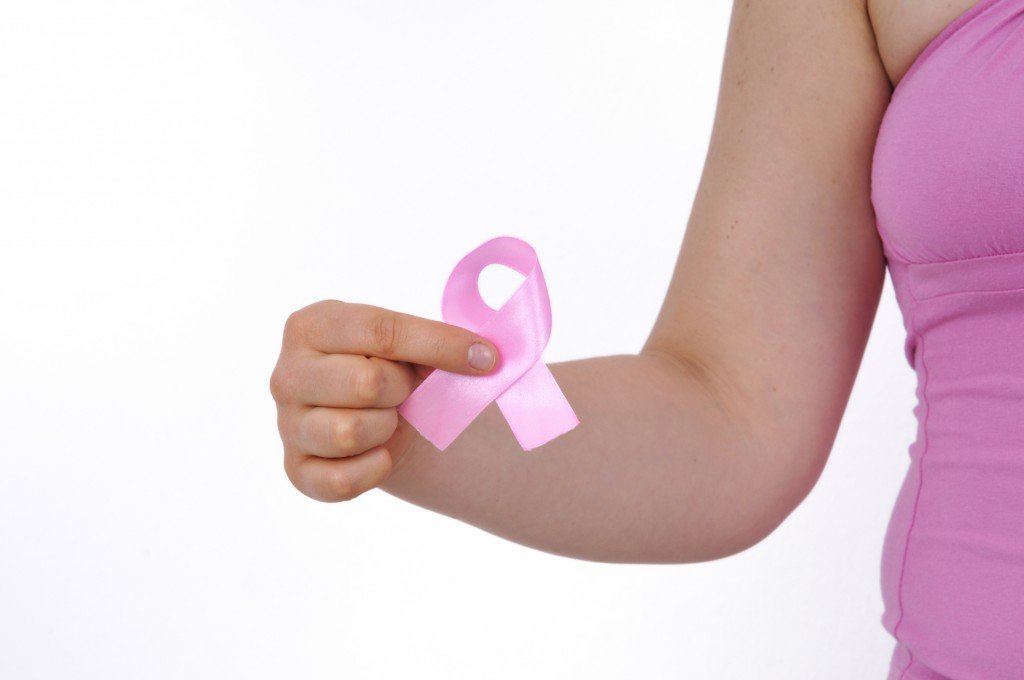
International symbol of breast cancer awareness. (iStockphoto)

First, it was Angelina Jolie, who had a double mastectomy because of increased genetic risk of breast cancer due to the presence of BRCA gene. The presence of BRCA gene also increases the risk of ovarian cancer. We know that if you have a family history of ovarian cancer then the risk of ovarian cancer increases amongst women in that family.

Take for example the recent announcement that Pierce Brosnan’s daughter Charlotte Emily died of ovarian cancer at age 42. Brosnan is a former James Bond star whose first wife, Cassandra (Charlotte’s mother), was also killed by the same disease in 1991 when she was 43. I am not sure if Charlotte Emily’s BRCA status is known.

There are two types of BRCA genes known as BRCA1 and BRCA2. BRCA is an abbreviation for breast cancer. These genes are tumour suppressor genes and once they undergo changes (mutation), their capacity to normally prevent cancer from developing is lost. It is now known that women found to have mutations in the genes have a very high risk of developing breast and ovarian cancers.

The genetic mutations are not common. About one in 500 to one in 1,000 individuals will carry a mutation or a gene change in one or another of these genes. It generally occurs amongst people who tend to stay together and don’t have offspring with people from other types of ethnicities. Experts say these mutations tend to stay within one group of individuals.

What distinguishes BRCA1 and BRCA2 genes is where they’re located in the chromosomes. There are also slight differences in terms of the types of cancers associated with the two genes.

The main difference in the two genes is that carriers of the BRCA1 gene mutation have a slightly increased risk of ovarian cancer compared to those with BRCA2. It is also known that carriers of BRCA2 genes have risks of different types of cancers, including pancreatic cancer and melanoma.

For ovarian cancer, women with a mutated BRCA1 gene have a 25 to 65 per cent lifetime risk of developing the disease. Those with a mutated BRCA2 gene have a 15 to 20 per cent chance of developing ovarian cancer.

For men, it is little different. For men with the BRCA2 mutation, there’s an increased risk of both prostate and breast cancers.

Who can ask for BRCA genetic testing?

There has to be a strong family history of cancer. The cancer must have occurred in young ages within the family and if you are a member of ethnic groups known to be affected then you would be eligible. If you don’t meet the criteria but still want to be tested then you can go south of the border and get yourself tested for about $3,000.

Early detection of breast cancer has dramatically changed the prognosis of the disease. We cannot say the same thing about ovarian cancer because we do not have any tests for early detection.

Each year, about 2400 Canadian women are diagnosed with ovarian cancer. Sadly, 1700 women with the disease die each year. In North America, ovarian cancer is the second most common gynecologic malignant disease and is the leading cause of death among women with gynecologic cancer.

More than 60 per cent of the women are in advanced stage when first diagnosed. Their five year survival rate is less than 30 per cent. Their prognosis is poor and they have very few treatment options. Some studies have reported higher survival rates of greater than 90 per cent in women with stage one disease. Only 25 per cent of the women are diagnosed early.

Start reading the preview of my book A Doctor's Journey for free on Amazon. Available on Kindle for $2.99!

There are various surgical options for patients with breast cancer.

Doctor and patient. (iStockphoto)

Recently, actress Angelina Jolie announced that she underwent a preventive double mastectomy after learning that she carries a mutation of the BRCA1 gene, which sharply increases her risk of developing breast cancer and ovarian cancer. This announcement again increased the discussion in the media about the choices women have when it comes to breast cancer surgery.

Not all women need a double mastectomy if they have breast cancer in one breast. About one in 200 women in North America carries a BRCA1 or BRCA2 mutation. But among certain ethnic groups the prevalence is considerably higher. Notably, the frequency in those of Ashkenazi Jewish ancestry is one in 50. Other groups with high frequencies of mutations include women from Iceland and Poland.

For the vast majority of women, who have no BRCA gene mutation, the following surgical options are available:

-Breast-conserving surgery, an operation to remove the cancer but not the breast itself, includes the following: a) Lumpectomy: Surgery to remove a tumor (lump) and a small amount of normal tissue around it. b) Partial mastectomy: Surgery to remove the part of the breast that has cancer and some normal tissue around it. The lining over the chest muscles below the cancer may also be removed. This procedure is also called a segmental mastectomy. These patients may also have some of the lymph nodes under the arm removed for biopsy. Quite often these patients require radiotherapy after surgery.

-Total mastectomy: Surgery to remove the whole breast that has cancer. This procedure is also called a simple mastectomy. Some of the lymph nodes under the arm may be removed for biopsy at the same time as the breast surgery or after. Most of the time these patients do not require radiotherapy after surgery.

-Modified radical mastectomy: Surgery to remove the whole breast that has cancer, many of the lymph nodes under the arm, the lining over the chest muscles, and sometimes, part of the chest wall muscles.

If the size of the growth in the breast is relatively big (locally advanced cancer) then the patient receives chemotherapy before surgery to shrink the tumor. Treatment given before surgery is called neoadjuvant therapy.

Treatment after surgery consists of radiation therapy, chemotherapy and hormonal therapy even if the doctor removes all the cancer that can be seen at the time of the surgery. This is to kill any cancer cells that are left behind. Treatment given after the surgery, to reduce the risk of recurrence, is called adjuvant therapy. Again, not all breast cancer patients require adjuvant therapy. Your oncologist decides on this depending on the stage of the cancer, what kind of surgery you had and what is your risk of having cancer recur.

Women who opt to have their breast completely removed can have breast reconstruction done. Breast reconstruction may be done at the time of the mastectomy or at a future time.

Some of you must have heard about sentinel lymph node biopsy in cancer surgery. The sentinel lymph node is the first lymph node to receive lymphatic drainage from a tumor. It is the first lymph node the cancer is likely to spread to from the tumor. This is biopsied. If it is negative for cancer cells then it may not be necessary to remove more lymph nodes.

This is a very simplified way to explain to you what kind of treatment options are available for women with breast cancer. In each case, your surgeon and oncologist will advise you what your options are. Because of the technology, experience and expertise of our doctors, the prognosis of breast cancer has improved a lot. So do not panic. There is plenty of help for women with breast cancer.

Start reading the preview of my book A Doctor's Journey for free on Amazon. Available on Kindle for $2.99!

Falls in older people: how can we prevent them?

A senior citizen reviewing her medication with a pharmacist. (Getty Images)

As we advance in age, our body’s capacity to maintain balance diminishes. Our vision and hearing gets compromised. Our health deteriorates. Our joints and muscles do not function as well as they should. Eventually, we become vulnerable. Our safety is threatened.

This week is seniors week to highlight the problem of falls and how to prevent them.

Falls are common among people aged 70 and over. According to statistics in the British Medical Journal Study Module on this subject, 30 per cent of seniors fall each year and 20 per cent experience recurrent falls, with the risk of falling increasing with age. Half of those who fall sustain minor injury and 20-30 per cent result in serious injury. One third of patients who fall need medical attention. The cost of morbidity and mortality is high.

For example, winter is a bad time for people of any age to slip on ice and fall. The risk for seniors is higher than other age groups. Whatever the weather, seniors can fall indoors or outdoors. There are various predisposing factors that make certain seniors more prone to falls than others. So the first thing is to identify people at risk of falling. The caregivers should use the national guidelines to guide the assessment and management of people at risk of falling.

Second important thing is to encourage older people, no matter how frail, to engage in balance and strength exercises. They should be encouraged to join group exercise programs in their nursing homes or in their community if they live independently. Studies have shown this is beneficial.

Thirdly, physicians and other caregivers should identify medications that increase the risk of falls. According to American Family Physicians (Am Fam Physician. 2000 Apr 1;61(7):2173-2174), the side effects of some medicines can upset your balance and make you fall. Medicines for depression, sleep problems and high blood pressure often cause falls. Some medicines for diabetes and heart conditions can also make you unsteady on your feet. You may be more likely to fall if you are taking four or more medicines. You are also likely to fall if you have changed your medicine within the past two weeks.

There are many other things you and your family can do to prevent fall among seniors in your home.

Here are 10 tips from the American Family Physicians:
1. Wear shoes with nonskid soles (not house slippers).
2. Be sure your home is well lit so that you can see things you might trip over.
3. Use night lights in your bedroom, bathroom, hallways and stairways.
4. Remove throw rugs or fasten them to the floor with carpet tape. Tack down carpet edges.
5. Don’t put electrical cords across pathways.
6. Have grab bars put in your bathtub, shower and toilet area.
7. Have handrails put on both sides of stairways.
8. Don’t climb on stools and stepladders. Get someone else to help with jobs that call for climbing.
9. Don’t wax your floors at all, or use a non-skid wax.
10. Have sidewalks and walkways repaired so that surfaces are smooth and even.

This brief article covers a lot. Review your medications and the environment you live in. That will be a good start to be safe. Now, go and listen to some music, dance safely and have some fun. You only live once … or maybe twice if you are James Bond.

Start reading the preview of my book A Doctor's Journey for free on Amazon. Available on Kindle for $2.99!

Broken-Heart Syndrome is also known as Takotsubo (Stress) Cardiomyopathy

Nurse helping a senior patient. (Wavebreak Media)

Takotsubo cardiomyopathy is a transient acute illness typically precipitated by acute emotional stress. It is also known as “stress cardiomyopathy” or “broken-heart syndrome.” In 2011, there was an article on this subject in a medical journal, Circulation, by Dr. Scott W. Sharkey and his colleagues from the Minneapolis Heart Institute Foundation at Abbott Northwestern Hospital, Minneapolis, MN explaining the signs, symptoms and treatment of this illness.

In Japanese, “tako-tsubo” means “fishing pot for trapping octopus,” and the left ventricle (pumping chamber of the heart) of a patient diagnosed with this condition resembles that shape.

This is a fairly new condition recognized initially in Japan in 1990, with the first report emerging from the United States in 1998. Takotsubo cardiomyopathy starts suddenly, with symptoms of chest pain and, often, shortness of breath. The condition affects women older than 50 years of age (only 10 per cent in men). Most patients go to the emergency department thinking they have a heart attack.

Sharkey gives examples of emotional stressors which include grief (death of a loved one), fear (armed robbery, public speaking), anger (argument with spouse), relationship conflicts (dissolution of marriage), and financial problems (gambling loss, job loss). Physical stressors include acute asthma, surgery, chemotherapy, and stroke.

“Although patients with takotsubo do not have significantly narrowed coronary arteries, in the early hours takotsubo and heart attacks share many similarities in presentation, including chest pain and breathlessness, as well as abnormalities in both the electrocardiogram and blood biochemical tests,” says the article. But coronary angiogram will show normal coronary arteries but unusual shape of the left ventricle that has given takotsubo its unique name.

Once the diagnosis is made (via several invasive investigations) patients are in the intensive care unit for at least 24 hours, during which time vital signs are monitored and blood is tested for troponin (a protein released by injured heart muscle). Medications are used to promote recovery of heart muscle and blood thinners are used to avoid a stroke caused by a blood clot traveling from the heart to the brain.

Major life-threatening complications are infrequent. Low blood pressure (hypotension), fluid buildup in the lungs (congestive heart failure) and a chaotic heart rhythm will require appropriate medications.

“Fortunately, with timely recognition and supportive therapy, takotsubo events are reversible, and recovery is usually rapid and complete. Heart function (contraction) gradually improves over several days and is usually normal by hospital discharge (3–7 days). The term stunned heart muscle is commonly used to indicate that injury in takotsubo, although initially profound, is only temporary. Drugs are discontinued once heart contraction has returned to normal,” says Sharkey.

Why would acute stress cause heart failure? This is an unresolved question. It may have something to do with the autonomic nervous system. It has been suggested that when powerful hormones such as adrenaline are released in excess, the heart muscle can be damaged in patients with takotsubo. Fortunately, the long term prognosis is good. Nearly all patients survive an acute takotsubo episode. In approximately five per cent of patients, a second (or third) stress-induced event may occur. Best thing is to avoid stressful situations. Relax, do deep breathing exercises and keep smiling.

Start reading the preview of my book A Doctor's Journey for free on Amazon. Available on Kindle for $2.99!