Restless Leg Syndrome

Dear Dr. B: My mother-in-law is 60 years old. She is quite healthy. But she is having cramps in her legs. From the toes to the side of her legs, inside and up to her hips. What can she do to relieve this pain?

A concerned daughter-in law sent me this question. It is not an uncommon complaint among women and some men. My own mother has had a similar complaint for many years.

So, I was quite interested in a recent issue of the New England Journal of Medicine (NEJM) which had a clinical practice article called Restless Legs Syndrome (RLS).

The article gives an example of a 45-year-old woman having had nightly insomnia for years. She reports having uncomfortable sensations in her legs when she lies down at night. She describes a feeling of needing to move her legs, which is relieved only by getting up and walking around.

This lady has RLS. It is also known as Ekbom’s syndrome. It is a neurological disorder. About three to 15 per cent of the population is affected. It is more common in women than men. The prevalence increases with age. There may be a family history of the condition.

The following features should be present to make a diagnosis of RLS:
-A distressing need or urge to move the legs, usually accompanied by an uncomfortable, deep-seated sensation in the legs that is brought on by rest (sitting or lying down), relieved with moving or walking, or worse at night or in the evening.
-Features frequently associated with the syndrome are: involuntary limb movements while patient is awake and/or periodic limb movements while patient is asleep.

The diagnosis of RLS is based on the clinical history. RLS may be a symptom of iron deficiency therefore the iron status should be assessed. No other laboratory tests are routinely indicated.

What about our reader’s mother-in-law?

She may have RLS – but we do not know all her symptoms. There are many other conditions which cause leg pains and cramps especially at the end of the day or at night.

Some common causes are: muscle fatigue, strain, injury, or depletion of certain minerals such as potassium, calcium, sodium, and magnesium (particularly when taking diuretics). Trouble with the veins and arteries; arthritis or gout; neuropathy (nerve damage) or Sciatic nerve pain (radiating pain down the leg) caused by a slipped disk in the back. There may be other causes as well. Medications like steroids can induce leg pain.

The article says that despite the distinctive clinical features of RLS, there remains substantial variability in responses to treatment and in clinical progression and outcome.

It seems all patients with RLS do not present with classical symptoms. Therefore, my impression is, many patients with leg pain go undiagnosed or inadequately treated.

Is there good treatment for the condition?

For RLS, there are few medications in the market. But the NEJM article says that there is currently inadequate information on the efficacy of medications other than the group of drugs known as dopaminergic drugs. The management of RLS in patients who are pregnant or undergoing dialysis is not clear.

For unexplained leg pain, rest as much as possible. Elevate the leg and take pain medications which you are familiar with. Gentle massage may improve comfort. Heat or cool soaks may help. If pain persists or swelling develops, see your family physician.

For leg pain caused by varicose veins, leg elevation and compression with elastic bandages or support hose can help. Walking is the best way to keep the blood flowing back to the heart from the legs.

Start reading the preview of my book A Doctor's Journey for free on Amazon. Available on Kindle for $2.99!
Skin Cancer

This column is about skin cancer – about prevention and about early detection.

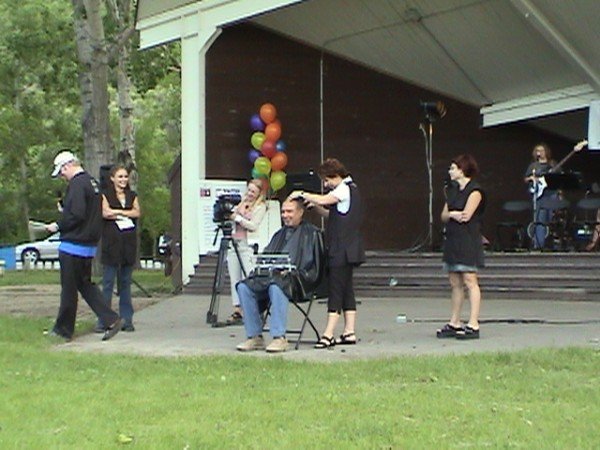
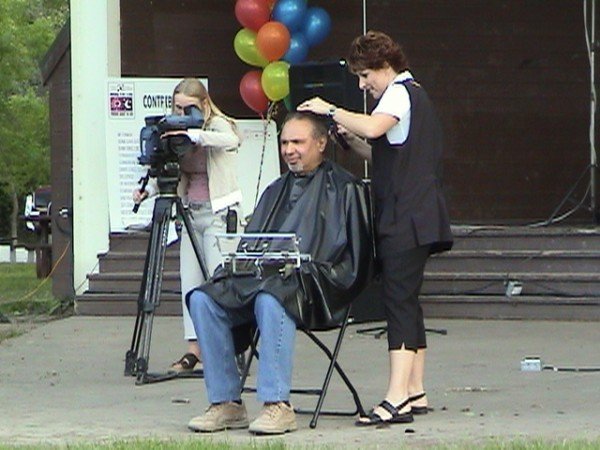
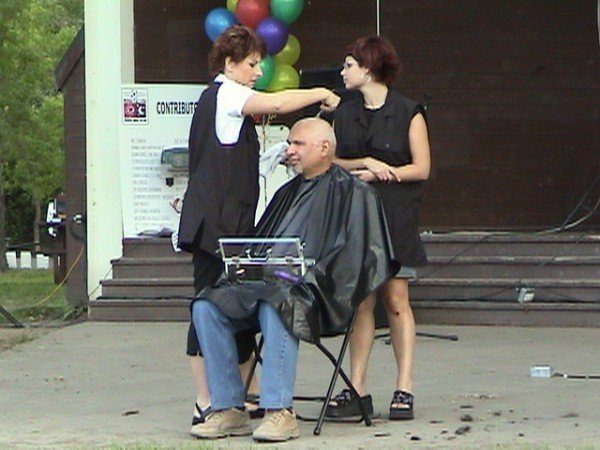
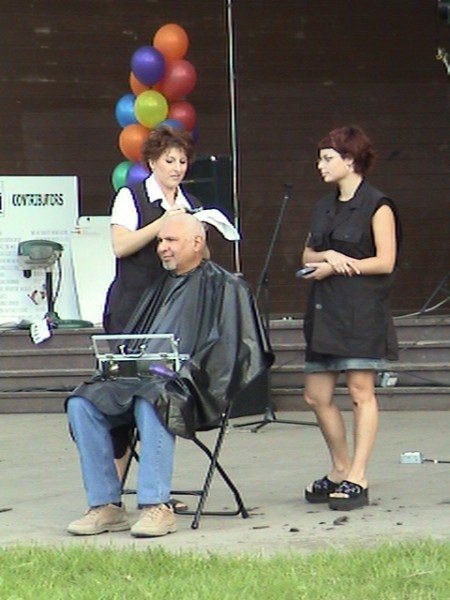
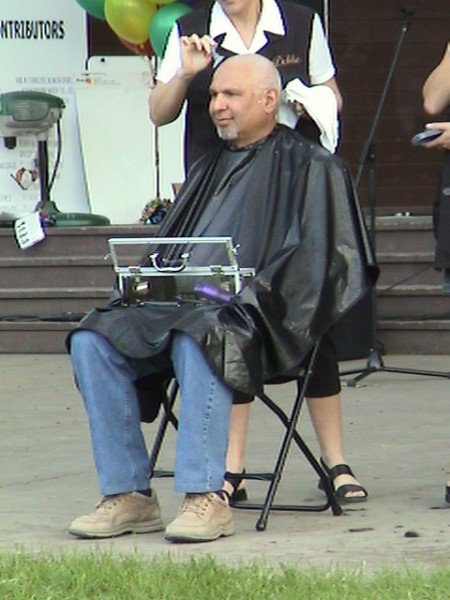
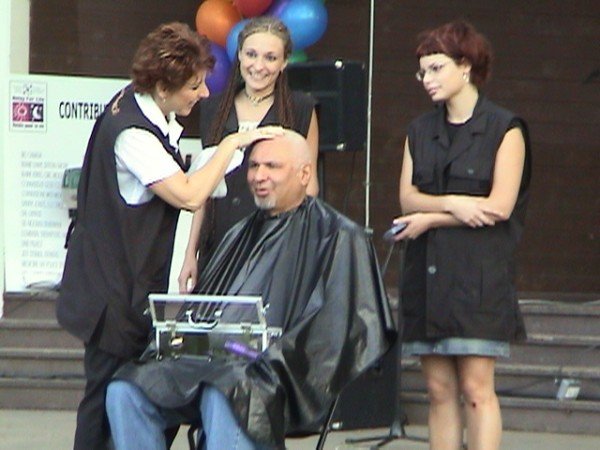
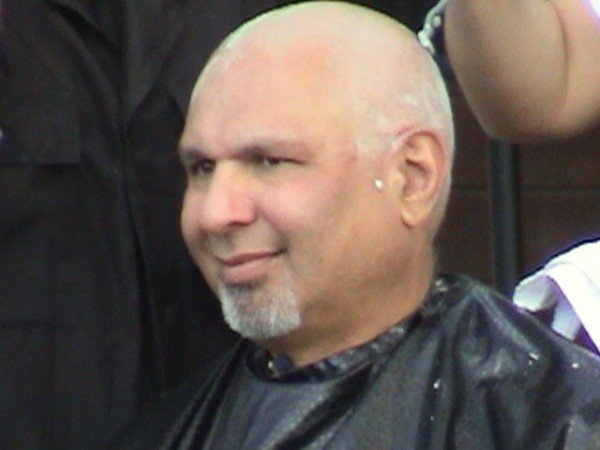
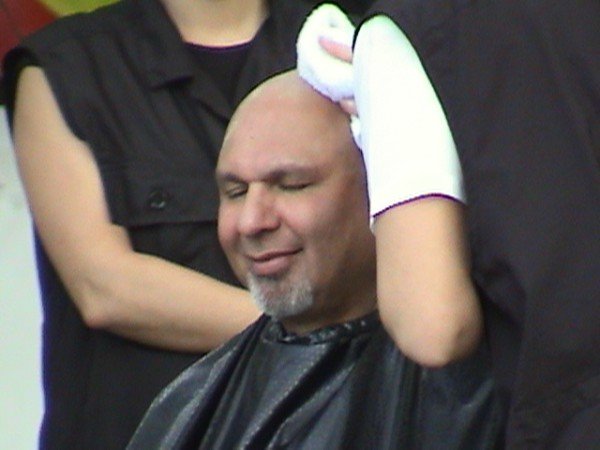
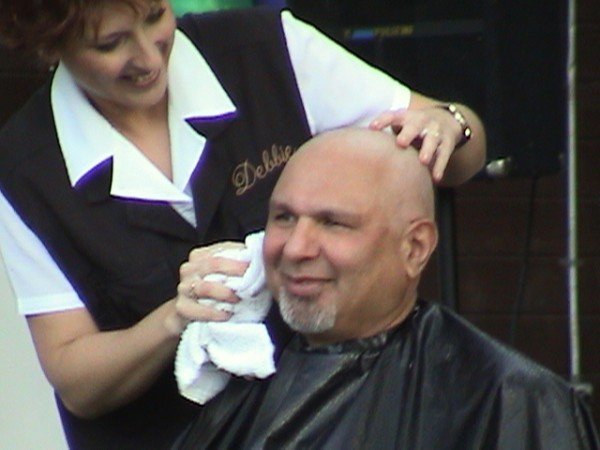
I am bold (and bald) enough to tell you that I have not picked this subject because my shiny scalp is devoid of bicolored locks, hence increased risk of exposure to the sun’s damaging ultraviolet rays, but I think skin cancer is an important subject as we get into hot weather.

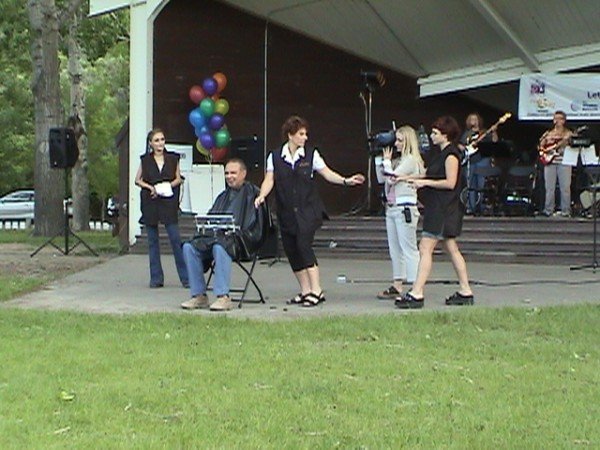
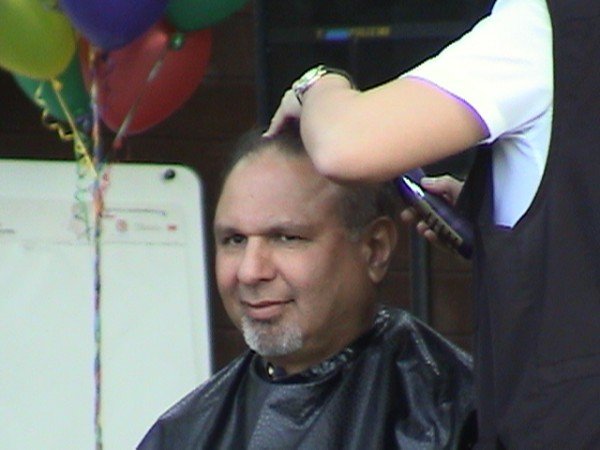
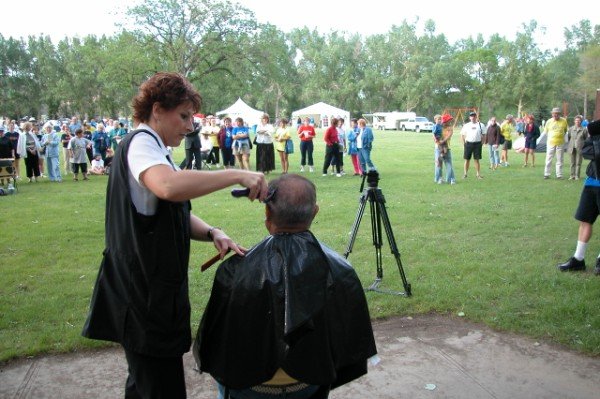
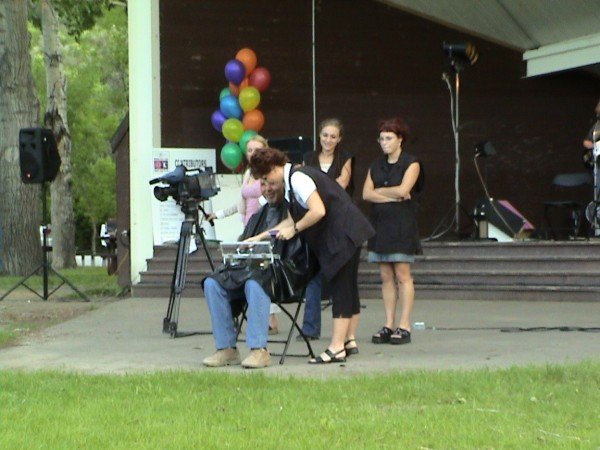
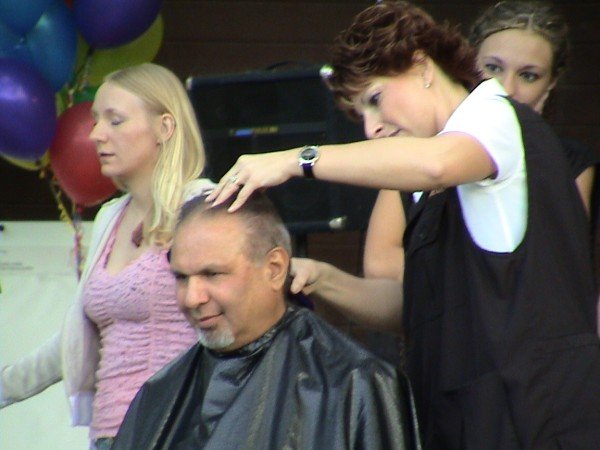
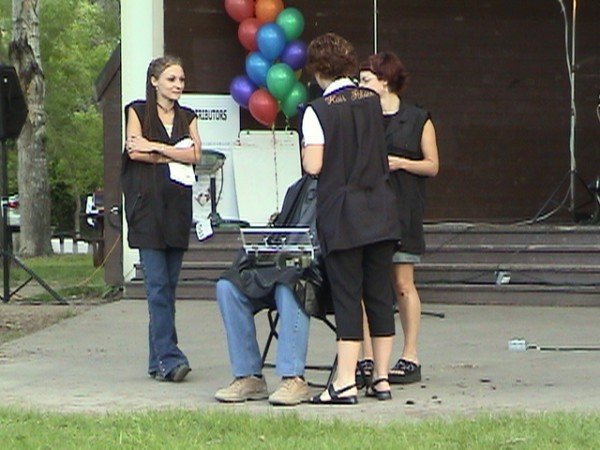
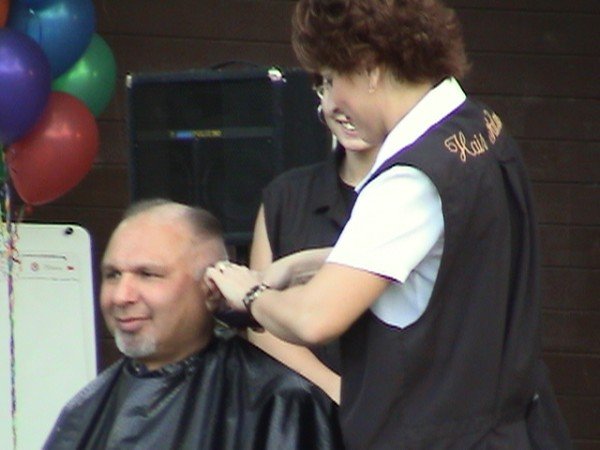
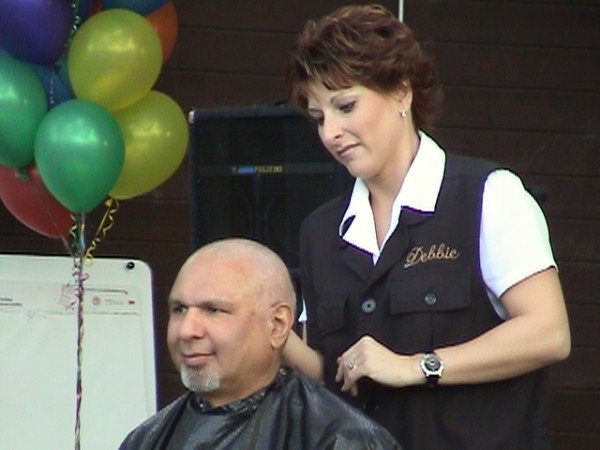
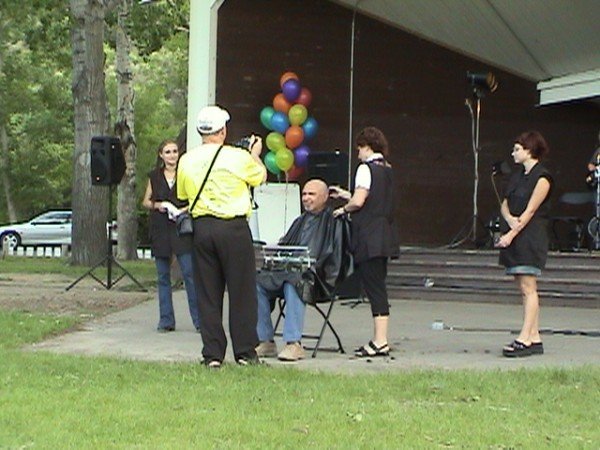
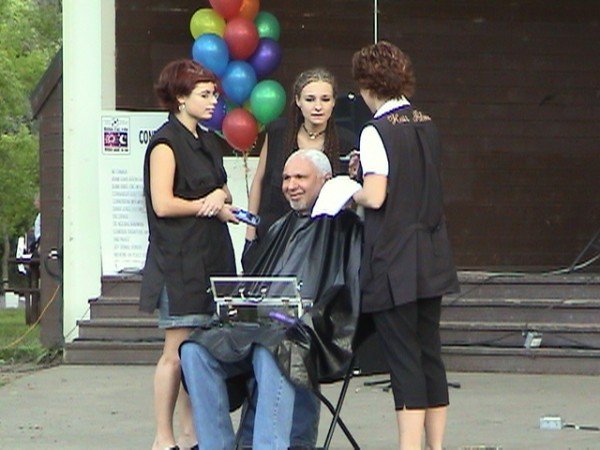
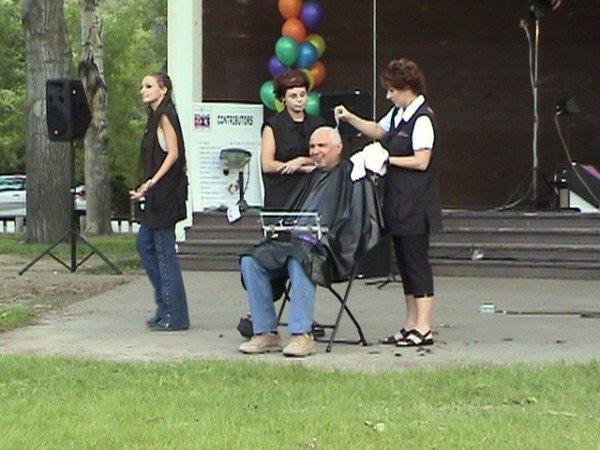
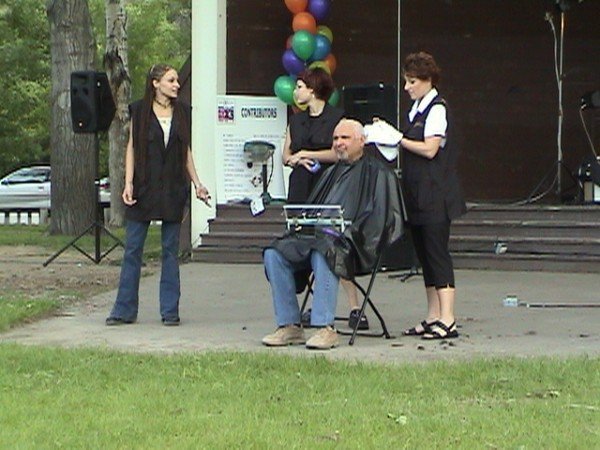
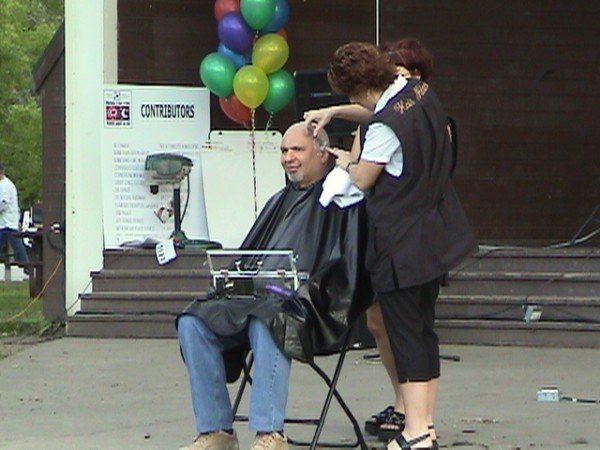
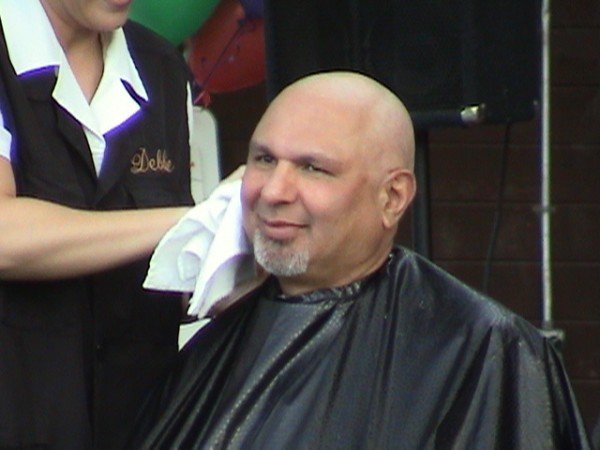
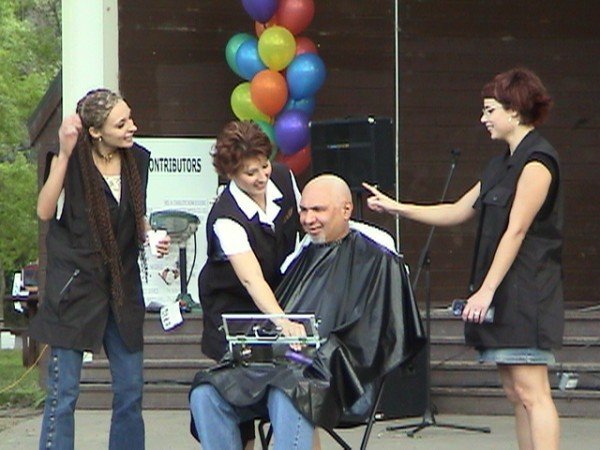
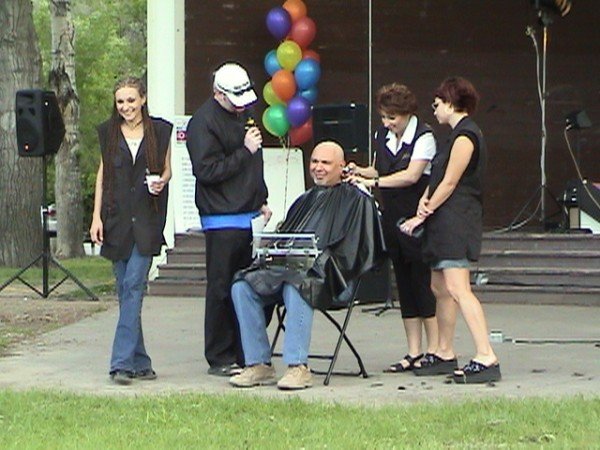
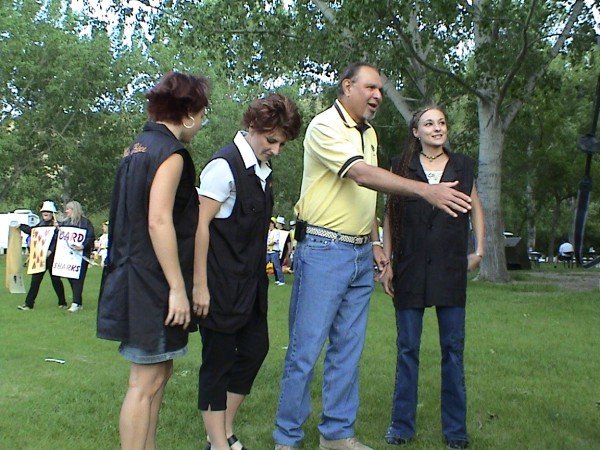
For my head shave, we were able to raise over $2200 for the Canadian Cancer Society – a big thank you to generous contributors who made the event satisfying and worthwhile.

Now, for $10,000 to the cancer society, I may be (I repeat, may be) tempted to get an ear ring, a nose ring and a tattoo on my scalp! A little advisory here – statement like this is not to be taken seriously and there is no need to call a psychiatrist. My head is bald but it is not out of place!

Anyway, we won’t discuss this any further. Let’s get back to our discussion on skin cancer.

There are two important things to remember about prevention of skin cancer: cover up and stay out of the sun, says an editorial in the British Medical Journal (BMJ).

Skin cancers can be divided into two types: melanoma and non-melanoma. Non-melanoma skin cancers are: basal cell cancer and squamous cell cancer.

Experts believe that 90 per cent of non-melanoma skin cancers and two thirds of melanomas may be attributed to excessive exposure to the sun, says the BMJ.

According to Alberta Cancer Board publication (Cancer in Alberta, A Regional Picture – January 2003) non-melanoma skin cancers account for approximately 30 per cent of malignant cancer cases diagnosed each year among Albertans. It says that although these tumors are malignant, they are not typically life threatening and are usually successfully treated in doctors’ offices.

Melanoma accounted for four percent of new invasive cancers in Alberta in year 2000. In 1993, Alberta Cancer Registry adopted a new coding system to monitor incidence of melanoma. Since 1995, melanoma rates in Alberta have remained pretty much stable. In 1999, 194 new melanoma cases were diagnosed in Alberta.

In the Palliser Health Region, on an average 13 cases of melanoma are diagnosed each year.

For Canadian males, the incidence rate for melanoma has tripled since the late 1960s. For Canadian females, the rates have varied over the years but still shows a gradual increase.

In the United Kingdom and the United States the incidence of melanoma has doubled in past 20 years.

Melanoma is by far the most serious form of skin cancer, the survival rate is very high when detected and treated early, says the Alberta Cancer Board document.

To prevent deaths from skin cancer, particularly melanoma, the public has to be educated on two strategies: advice on early recognition and advice on prevention. Australia has done well in this regard. The incidence of melanoma has been falling in that country.

Can we achieve the same results in Canada?

By way of prevention: we need to keep reminding ourselves that skin tanned by ultraviolet radiation is damaged skin which predisposes to cancer. There is a potential risk of using sunbeds. We need to avoid sunburn and generally reduce exposure to ultraviolet radiation by staying out of the midday sun, wearing protective clothing, seeking shade, and applying sunscreen.

By way of early recognition: we should have moles or sun burnt skin surgically removed if they show signs of change or non-healing. Bleeding, chronic irritation, change in color or size should warn us to have these moles removed.

The BMJ article says that despite having a good understanding of the relation between overexposure to the sun and skin cancer, 81per cent of Americans still think they look good after being in the sun. Do you feel the same way? A good tan may shorten your life.

Start reading the preview of my book A Doctor's Journey for free on Amazon. Available on Kindle for $2.99!
Docs for Cancer

Start reading the preview of my book A Doctor's Journey for free on Amazon. Available on Kindle for $2.99!

Baldness and My Head Shave

There is one thing about baldness – it’s neat.

-Don Herold

Mirror, mirror on the wall, who’s most anxious of us all?

Probably, yours truly!

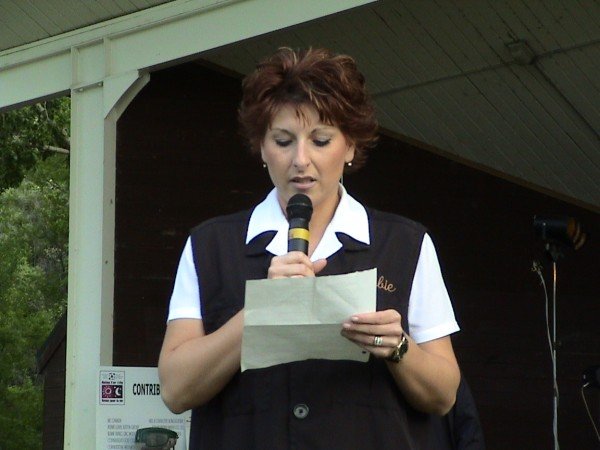
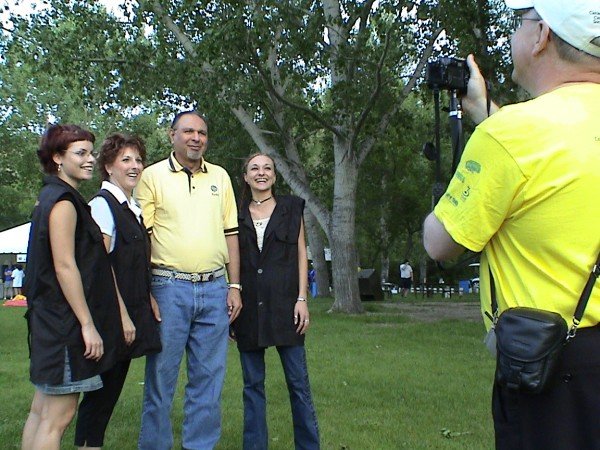
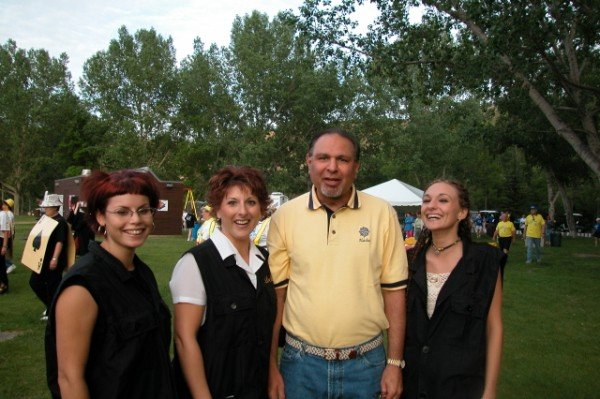
Yes, tomorrow night I will be bald. As I said in my last column, I am having my head shaved at Kin Coulee Park as a fund raising event for the Canadian Cancer Society. It will happen at 8 p.m.

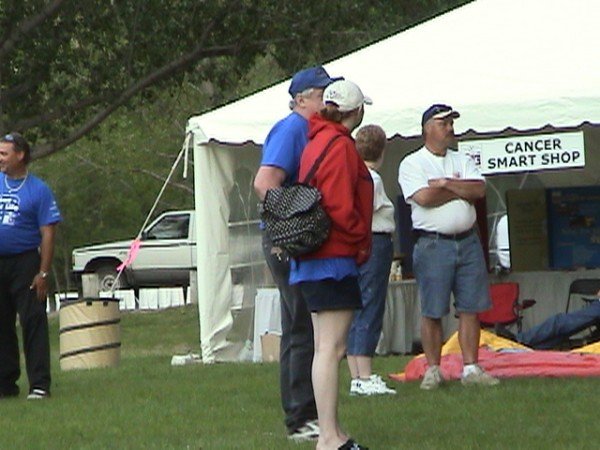
This will be in conjunction with Relay for Life – a celebration of survival, a tribute to the lives of loved ones and a night of fun, friendship and fundraising to beat cancer.

If you have not yet put in your pledge to see me go bald then you can still do so by phoning in your donation to my office (527-0099), or Hair Palace (527-4433) or the Canadian Cancer Society (528-2125).

Now, what do you think, bald is beautiful, balderdash or just neat?

Hair has many useful functions. It protects our skin from many external elements. In our society, it has a significant psychosocial importance. But hair loss is a common problem. And it can be a distressing symptom of illness or treatment.

We are born with approximately 100,000 hair follicles on the scalp. They are predetermined to grow long, thick hair. Rest of the body has other hair follicles which are predetermined to grow short, fine, and less pigmented hair.

An article in the New England Journal of Medicine (NEJM) says that the cycles of active hair growth and rest are regulated by complex messages which are not well understood.

What causes hair loss?

There is hereditary thinning of the hair induced by androgens in genetically susceptible men and women. Thinning of the hair begins between the ages of 12 and 40 years in both sexes, and approximately half the population expresses this trait to some degree before the age of 50, says NEJM article

There are many other reasons for hair loss as well; usually transient shedding of hair is associated with drugs, fever, hormonal abnormalities, pregnancy, anemia, and malnutrition.

For cancer patients, it is usually chemotherapy. Chemotherapy consists of drugs used to kill cancer cells. They are useful in patients who have cancer at more than one site. The disadvantage is that all cancer cells may not be susceptible to these drugs and they kill some normal and healthy cells as well.

Chemotherapy entails lengthy treatments with side-effects like hair loss, nausea, vomiting diarrhea, depression and weakening of body’s immune system.

Shiny is sexy? Balderdash

This was the headline to a news item in the National Post in November, 2000. A survey of 1,502 Canadians discovered that a significant number of males and females believed it was harder for a balding man to find a partner, a good job or respect in society.

The news item by Tom Arnold reports that the survey by the Canadian Hair Research Foundation found 60 percent of women prefer men with hair and the number rises to 74 percent among respondents aged 18 to 24.

However, reports Arnold, 70 percent of men surveyed – with or without hair – reported to be involved in sexual relationships. So in reality, it may not be too hard for a bald individual to find a partner.

Tony Snesko runs a web site called Bald R Us. The site is designed for “those who believe that God made a few perfect heads and on the rest He put hair.” Arnold says that in the first year of operation the site has attracted 10,000 members who are proud of their baldness.

In my family, my mom is shocked that I am getting my head shaved. My wife is speechless. And my children think it is funny. But they are proud that this is for a good cause. The question is: Did God give me a perfect head?

Find out tomorrow at Kin Coulee Park.

Start reading the preview of my book A Doctor's Journey for free on Amazon. Available on Kindle for $2.99!