
Use of Melatonin in Prevention and Treatment of Jet Lag and Chronic Insomnia

A businessman trapped in his seat by a sleeping passenger. (Digital Vision)

I have discussed the use of melatonin In my previous articles on jet lag and sleep disturbance. Since I am interested in this subject, my attention was drawn to an article in November 20 edition of the Canadian Medical Association Journal (CMAJ) titled, “Five things you should know about melatonin” by Carter and Juurlink from the University of Toronto.

The small pineal gland in our brain secretes a hormone called melatonin. Its main functions are to regulate the circadian rhythm and initiate and maintain sleep. Circadian rhythms are physical, mental and behavioural changes in our body that follow a roughly 24-hour cycle. It responds to light and darkness in our environment. Exposure to light also regulates the levels of melatonin which peaks at two in the morning.

Studies have shown that melatonin is effective against jet lag. The benefit was greater when flying eastward and when crossing more time zones. The critical question is the dose and when to take it. Some studies suggest the timing of administration of melatonin needs to be precise and individualized.

One study has shown that melatonin was effective in helping people fall asleep at doses of 0.3 milligrams (mg). To treat the jet lag, the recommended dose of melatonin is 0.3-0.5 mg, to be taken the first day of travelling. If you take too much of it then it can cause sleepiness, lethargy, confusion, and decreased mental sharpness. People with epilepsy, and patients taking warfarin should avoid melatonin due some reports about possible interaction.

A 2002 Cochrane Database System Review titled “Melatonin for the prevention and treatment of jet lag” by Herxheimer and Petrie says, “Nine of the ten trials found that melatonin, taken close to the target bedtime at the destination (10pm to midnight), decreased jet-lag from flights crossing five or more time zones. Daily doses of melatonin between 0.5 and 5mg are similarly effective, except that people fall asleep faster and sleep better after 5mg than 0.5mg. Doses above 5mg appear to be no more effective.”

Can melatonin be used for chronic insomnia? Studies have shown melatonin increased total sleep time by 12.8 minutes, increased sleep efficiency by 2.2 per cent and decreased sleep latency by 4.0 minutes. It does not sound very impressive. There is no clinical consensus on the use of melatonin in cases of insomnia.

Melatonin is sold over the counter and it is synthetic. It is the only human hormone available in Canada without a prescription. Melatonin should be used with caution.

Start reading the preview of my book A Doctor's Journey for free on Amazon. Available on Kindle for $2.99!

The Good and Ugly Sides of Grapefruit and Grapefruit Juice

Cross section of a grapefruit.

There are many good things about grapefruit. According to the USDA, 100 grams of grapefruit contains 32 calories. Most of those calories come from carbohydrates and very few are from fat or protein. Micronutrients include vitamin C and potassium.

According to proponents of the “grapefruit diet”, grapefruit’s low glycemic index promotes fat burning. There are many other myths about the health benefits of grapefruit. How many of these are true remains to be seen.

Grapefruit is the bitter hybrid fruit of pomelo and sweet orange. It was first bred in Barbados in the 18th century and called the “forbidden fruit.” I could not find out why. However, there is new evidence to suggest it could be a “forbidden fruit.”

For years it has been shown that grapefruit interferes with absorption of medications, many of which are commonly used by people with serious health conditions. One-third of prescribed drugs in the US are taken by the elderly. Ambulatory and nursing home patients take an average of nine to 13 pills a day. This certainly increases their risk of adverse reactions. This can be from drug-drug interactions or caused by food.

A group of researchers have been tracking adverse reactions between medication and grapefruit for 20 years. The article was recently published in the Canadian Medical Association Journal. A disturbing trend was found between 2008 to 2012. The number of medications with the potential to interact with grapefruit, and cause serious adverse effects, increased from 17 to 43. This represents an average increase of more than six drugs per year. A portion of the new drugs entering the market each year.

It’s possible to die from an adverse reaction. Other complications range from kidney failure, respiratory failure, gastrointestinal bleeding, and bone marrow suppression in immunocompromised people.

The chemical compounds in grapefruit which cause these dangerous interactions are furanocoumarins. When we take a pill the whole amount is not absorbed from our intestine. An enzyme in the intestine destroys a portion of some drugs, thus reducing the amount entering the bloodstream. Furanocoumarins irreversibly inhibits the enzyme that normally inactivates an estimated 50 per cent of all medication. This allows more of the drug to enter the bloodstream and may cause damage to organs in the body.

Other citrus fruits like Seville oranges, used in marmalade, limes, and pomelos also contain this active ingredient. Drugs that undergo metabolism in the gastrointestinal tract by the enzyme CYP3A4 are affected. These drugs have to be taken orally and it does not matter when and how much grapefruit you have consumed before taking the pills.

Here are some examples of the pills you should avoid if you cannot do without grapefruit: statin drugs to lower cholesterol, blood pressure-lowering drugs, organ transplant rejection drugs, anti-anxiety drugs, antiarrhythmic drugs, and antihistamines. Visit Health Canada’s website for a complete list.

Start reading the preview of my book A Doctor's Journey for free on Amazon. Available on Kindle for $2.99!
Mammograms Lead to Many Unnecessary Breast Cancer Treatments

Woman getting a mammogram. (JupiterImages/Thinkstock)

Mammography is known to be an imperfect screening tool for detecting breast cancer. Similar to the PSA test for men to detect prostate cancer. According to Wikipedia, mammograms miss cancer (false-negative) in at least 10 per cent of cases, about seven per cent will have a false-positive result which lead to biopsies and other tests. Then there are women who are over diagnosed. That means finding a cancer that does not need treatment.

Let me be clear, mammograms are still worthwhile. They do catch some deadly cancers and save lives. Not all doctors agree with the conclusions in the paper published this November in the New England Journal of Medicine titled, “Effect of Three Decades of Screening Mammography on Breast-Cancer Incidence.”

But the paper is worth discussing. According to Canadian Cancer Society website, breast cancer accounts for over a quarter (28 per cent) of new cancer cases in women. On average, 62 Canadian women will be diagnosed with, and 14 women will die of breast cancer every day.

Researchers looked at 30 years (1976 – 2008) records to examine trends in the incidence of early-stage breast cancer (ductal carcinoma-in-situ and localized disease) and late-stage breast cancer (regional and distant disease) among women 40 years of age or older.

The results of the study indicate that introduction of screening mammography in the U.S. is associated with a doubling in the number of cases of early-stage breast cancer each year, the rate at which women present with late-stage cancer has decreased by eight per cent and only eight of the 122 additional early-stage cancers diagnosed were expected to progress to advanced disease.

The researchers estimated that breast cancer was overdiagnosed in 1.3 million U.S. women in the past 30 years. These cancers would never have led to clinical symptoms. In 2008, breast cancer was overdiagnosed in more than 70,000 women; this accounted for 31 per cent of all breast cancers diagnosed.

Finding breast cancer early does not mean it will always reduce a woman’s chance of dying from breast cancer. This can change if mammograms begin to detect deadly breast cancer before they spread. Once a suspicious area is seen on a mammogram, there is no good way to tell if it is cancer, if it is an early cancer or a deadly one, until patient has had surgery. It would be nice to tell an individual woman whether her cancer needs to be treated just by looking at a mammogram.

That does not mean we stop doing mammograms. Mammograms are still worthwhile, because they do catch some deadly cancers and save lives. Do not stop going for mammograms on the basis of this paper.

Start reading the preview of my book A Doctor's Journey for free on Amazon. Available on Kindle for $2.99!

Energy Drinks Being Investigated in the U.S. by FDA

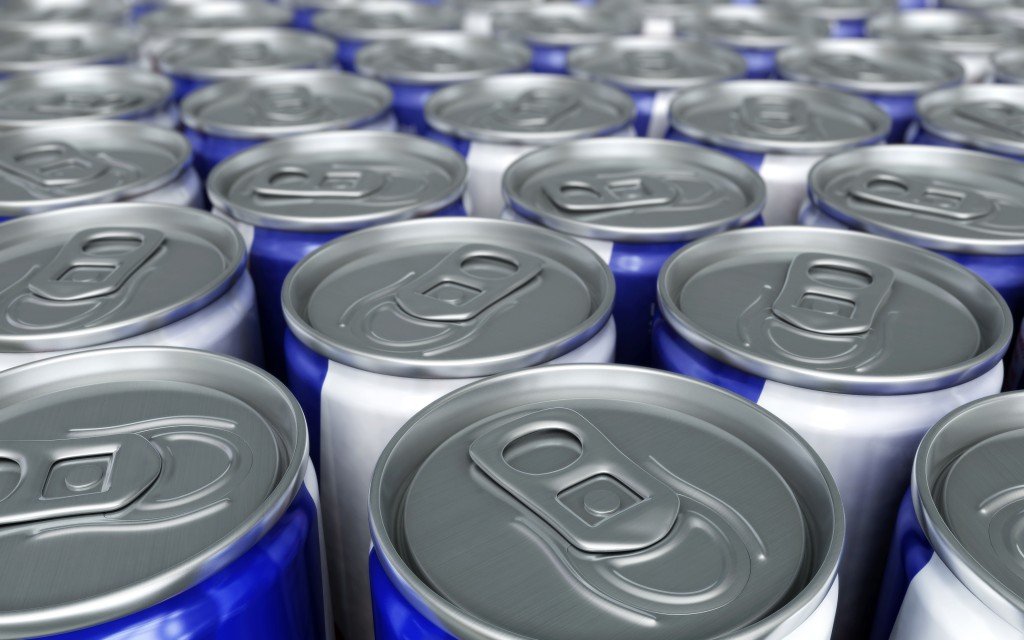
Energy drink cans. (iStockphoto/Thinkstock)

Being tired is a universal complaint. We are always looking for a quick fix to energize us. Then there are energy drinks. When you see them being advertised on TV, you are really tempted to buy one. This is how the energy drink market has become a multibillion dollar industry. Sales of energy drinks in the United States grew an estimated 16 per cent last year to $8.9 billion, a record level, according to Beverage Digest, a trade publication.

For example, 5-Hour Energy drink is supposed to provide you with immediate boost in your energy level. The drink has no sugar and only four calories. So, where does the energy boosting ingredient come from? It is caffeine. But the company does not tell us how much caffeine is in the drink.

Rockstar Energy, 5-Hour Energy and Monster Energy are marketed as dietary supplements. Other energy drinks like Red Bull, NOS and AMP are marketed as beverages. There isn’t a mandatory reporting requirement for beverages to let you know how much caffeine is in the product, though makers can do so voluntarily.

Now the Food and Drug Administration (FDA) is looking into it. On November 16, 2012 NBC news reported, “The federal government and the New York Attorney General’s office have announced that they are investigating the popular energy drink after the Food and Drug Administration received claims that 5-Hour Energy has over the past four years led to 13 deaths and 33 hospitalizations.”

The FDA has received 92 reports over four years that cite illnesses, hospitalizations and deaths after consumption of 5-Hour Energy. The FDA is also looking into highly caffeinated Monster Energy Drink. The FDA has received reports that Monster Energy Drink may be responsible for five deaths and one nonfatal heart attack. The FDA warns that this is just a preliminary investigation as direct effect of deaths to these drinks has not been established so far. The agency is cautioning consumers that these “energy shots” or “energy drinks” are not alternatives to rest or sleep.

In 2010, makers of caffeinated alcoholic drinks took those products off the market after the FDA sent the companies warning letters saying that combinations of caffeine and alcohol in the drinks was a public health concern and could lead to alcohol poisoning, car accidents and assaults, says NBC news.

The New York Times first reported that 13 deaths were linked to 5-Hour Energy. Since 2009, 5-Hour Energy has been mentioned in some 90 filings with the FDA, including more than 30 that involved serious or life-threatening injuries like heart attacks, convulsions and, in one case, a spontaneous abortion.

We do not know how much caffeine is in Monster Energy and 5-Hour Energy. But a recent article published by Consumer Reports placed that level at about 215 milligrams, says the Times report. An eight-ounce cup of coffee, depending on how it is made, can contain from 100 to 150 milligrams of caffeine. Maximum amount of caffeine you can consume safely a day depends on how sensitive your body is to caffeine. Caffeine is a drug. Use it carefully. Instead of being energized, you may be dead resting for ever.

Start reading the preview of my book A Doctor's Journey for free on Amazon. Available on Kindle for $2.99!