Smart Sunscreen Strategy Needed to Prevent Skin Cancer

Sunset in Hawaii. (Dr. Noorali Bharwani)

There are three types of skin cancers. Basal cell cancer (BCC) and Squamous cell cancer (SCC) are not lethal but can leave you with scars and deformities on your face and other parts of the body. Then there is melanoma. If not detected early and treated melanoma can be lethal.

When exposed to sunrays, some people burn easily and others slowly. Those who burn easily have a higher risk of skin cancer than others. But everybody is at some risk of getting skin cancer. So be smart and prevent skin cancer. Here are some guidelines.

Minimize sun exposure. Avoid the sun or stay in the shade when the sun is the strongest (10 a.m. to 4 p.m.), and dress right for the occasion. Wear a hat and clothing that’s made from tightly woven fabric.

Use appropriate sunscreen. The American Academy of Dermatology (AAD) guidelines recommend people use sunscreens with three important qualities:

  1. Use broad-spectrum sunscreen to protect against ultraviolet A rays and B rays. Ultraviolet A rays make up 95 percent of the UV spectrum and are most associated with wrinkling. Ultraviolet B rays, cause sunburn and are stronger at midday and in the summer. Both types of rays can cause skin cancer.
  2. Use water resistant sunscreen – no sunscreen is “water proof” but water resistant means you can go up to 80 minutes in the water before you need to reapply.
  3. Use sunscreen with SPF of at least 30.

To understand what sunscreens people actually use compared to what they need to prevent burning, the researchers looked at the most popular sunscreens on Amazon – the top one per cent, or 65 products.

The researchers found 40 percent – 26 of 65 – of the products did not meet AAD requirements. Most products that failed to meet the standards, 72 percent, did so because they were not water resistant.

A Consumer Reports study (May 2016) found only the following five met the AAD criteria:

  1. Hawaiian Tropic Sunscreen Silk Hydration SPF 30
  2. Neutrogena Age Shield Face Lotion Sunscreen SPF 110
  3. EltaMD UV Physical SPF 41
  4. Neutrogena Ultra Sheer Dry – Touch Sunscreen SPF 55
  5. Neutrogena Sunscreen Ultra Sheer Stick SPF 7

Make sure you use enough sunscreen. Apply sunscreen 15 to 30 minutes before you go outside. For lotions, a good rule of thumb is a teaspoon per body part or area.

For sprays, apply as much as can be rubbed in, then repeat. Regardless of which kind you use, reapply every two hours and after swimming or sweating. Use spray sunscreens carefully. Sprays are flammable; so let it dry before going near an open flame.

Consumer Reports article concludes by saying, “Tests over the past four years indicate that choosing a chemical sunscreen with an SPF of 40 or higher will give you a better chance of getting at least an SPF 30. Using any sunscreen is better than using none, but it’s just one part of a smart sun protection strategy.”

Take care and enjoy the summer.

Start reading the preview of my book A Doctor's Journey for free on Amazon. Available on Kindle for $2.99!
Use and Abuse of Prescription Painkillers – Dentists, Drugs and Dependence

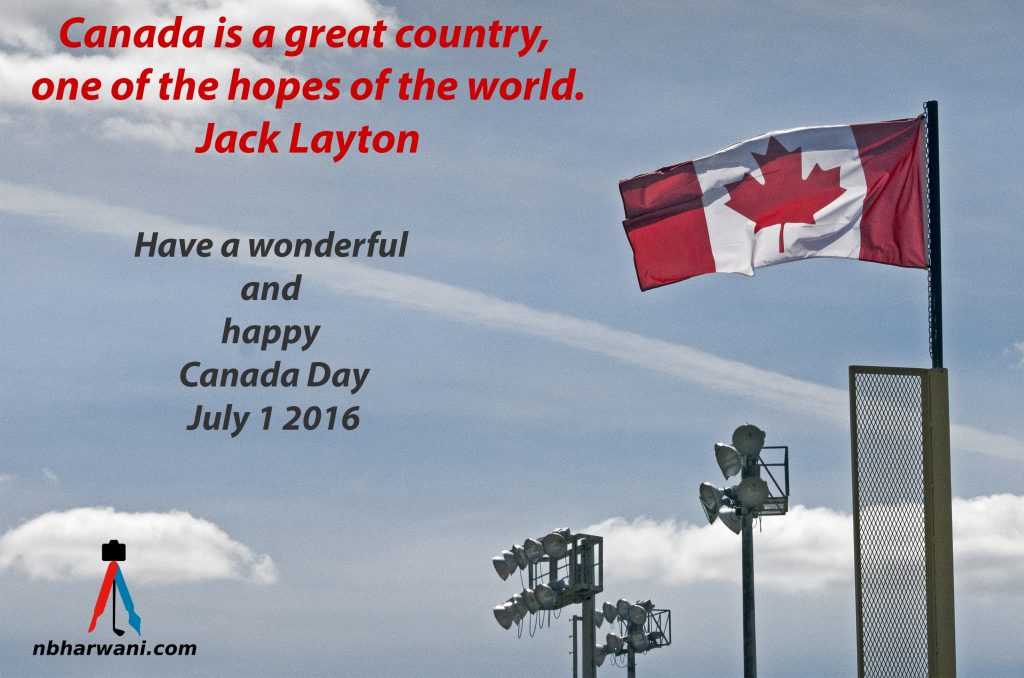
Happy Canada Day. (Dr. Noorali Bharwani)

NBC News called it “The Deadly Triangle: Dentists, Drugs and Dependence.”

In the U.S., about five million people each year have wisdom teeth removed. Many of them are prescribed Percocet, a commonly used painkiller for post-surgery discomfort. But most patients are never warned that Percocet has the potential to make patients dependent on the drug. It is very addictive.

Percocet is an opioid, a class of drugs that chemically follows the same nerve pathways as heroin, eliciting a sense of euphoria. Examples of weak opioids are – codeine and dihydrocodeine. Examples of strong opioids are – tramadol, buprenorphine, methadone, diamorphine, fentanyl, hydromorphone, morphine, oxycodone, and pethidine.

Recently, a Harvard research team reported in the Journal of the American Medical Association (JAMA) that dentists are among the leading prescribers of opioid analgesics, particularly for surgical tooth extractions. The most revealing aspect of the study was that the highest number of these opioid painkiller prescriptions were for teenagers, aged 14 to 17 years old, closely followed by young adults 18 to 24 years, says the NBC News.

Opioid abuse has sky rocketed.

Some patients and certain conditions do need strong painkillers. When used properly, prescription drugs can help. But, there are many dangerous and unpredictable side effects associated with abusing prescription drugs including addiction, overdose and death, say Government of Canada website on prescription drug abuse.

Besides opioids (used to treat pain) there are other prescription medications, which can be addictive. For example benzodiazepines (used to treat anxiety and sleep disorders), and stimulants (used to treat attention deficit disorder).

When an individual intentionally takes prescription drug for recreational purposes to get high or change mood then it is called drug abuse.

Prescription drug abuse is a growing public health and safety problem in Canada, particularly among youth. In the 2012 Canadian Alcohol and Drug Use Monitoring Survey, approximately 410,000 Canadians reported abusing prescription drugs like opioid pain relievers.

The abuse of prescription drugs has harmful effects on teens’ health. They are especially vulnerable because their bodies and minds are still developing. It can damage a teen for life.

Psychoactive drugs change brain function and results in alterations in perception, mood, or consciousness. These drugs are the third most commonly abused substances, after alcohol and marijuana, among Canadian youth. Last year, over 80,000 Canadian teenagers used prescription drugs to get high, even though it can be very dangerous.

In Alberta, since 1986, the College of Physicians and Surgeons (CPSA) started the Triplicate Prescription Program (TPP) – considered an important tool in reducing the misuse and abuse of prescription medications. TPP collects prescribing and dispensing data for listed drugs. When the data meet certain criteria, physicians and others involved in the care of the patient are alerted, provided with information and directed to resources to support them in providing safe care.

So the TPP program has been in force for 30 years. Has this put a dent in the use and abuse of narcotics and other drugs amongst vulnerable population of Alberta? I hope so but I don’t have the numbers.

Start reading the preview of my book A Doctor's Journey for free on Amazon. Available on Kindle for $2.99!

Risk of Suicide After Head Injury is High

"To jump or not to jump?" (Dr. Noorali Bharwani)

Some years ago a car hit my cousin while he was crossing a street on pedestrian crossing. A driver ignored a clear sign to stop for pedestrians. Probably the driver was distracted by something he shouldn’t have been doing. My cousin had concussion and was in a hospital unconscious for several days. He recovered and went home. But he was never the same. Some years later he committed suicide.

In Medicine Hat, I think 13th Avenue is quite unsafe. It is one of the busiest streets with several businesses and seniors residencies all cramped together. Businesses like gas station, Co-op, car wash, banks, doctor’s office, dental office, golf course, Alberta Motor Association – just to name a few – are all busy with traffic going in and out of their parking lots. I think 13th Avenue is very unsafe.

If a vehicle hits you then the chances of sustaining head injury and broken bones is very high if you are lucky enough to survive. Studies have shown head injuries have been associated with subsequent suicide among military personnel.

A study from Ontario (CMAJ April 19, 2016) looked at the long-term risk of suicide after a weekend or weekday concussion. They identified 235,110 patients with a concussion. Their mean age was 41 years, 52 per cent were men, and most (86 per cent) lived in an urban location. A total of 667 subsequent suicides occurred over a median follow-up of 9.3 years, equivalent to 31 deaths per 100,000 patients annually or three times the population norm.

Weekend concussions were associated with a one-third further increased risk of suicide compared with weekday concussions. The paper concluded that adults with a diagnosis of concussion had an increased long-term risk of suicide, particularly after concussions on weekends.

The authors of the article suggest greater attention to the long-term care of patients after a concussion in the community might save lives because deaths from suicide can be prevented. More important and better option would be to prevent injuries to the head completely.

Last year, a movie, Concussion, a biographical sports drama thriller was released in the U.S. It is a true story based on the exposé “Game Brain” by Jeanne Marie Laskas, published in 2009 by GQ magazine. It is a true story.

Set in 2002, the film stars Will Smith as Dr. Bennet Omalu, a forensic pathologist of Nigerian origin with the Allegheny County, Pennsylvania Coroner’s Office. Omalu fights against efforts by the National Football League to suppress his research on chronic traumatic encephalopathy (CTE). A kind of brain degeneration suffered by professional football players from repeated injuries to the head.

Head injuries can be prevented. For example, heavy alcohol consumption contributes to one-third of motor vehicle collisions. Medical warnings by physicians to patients who are potentially unfit to drive are effective for preventing serious collisions. Let us make our roads safe, vehicles safe, sports safe. Let us prevent head injury, disability and death.

Start reading the preview of my book A Doctor's Journey for free on Amazon. Available on Kindle for $2.99!
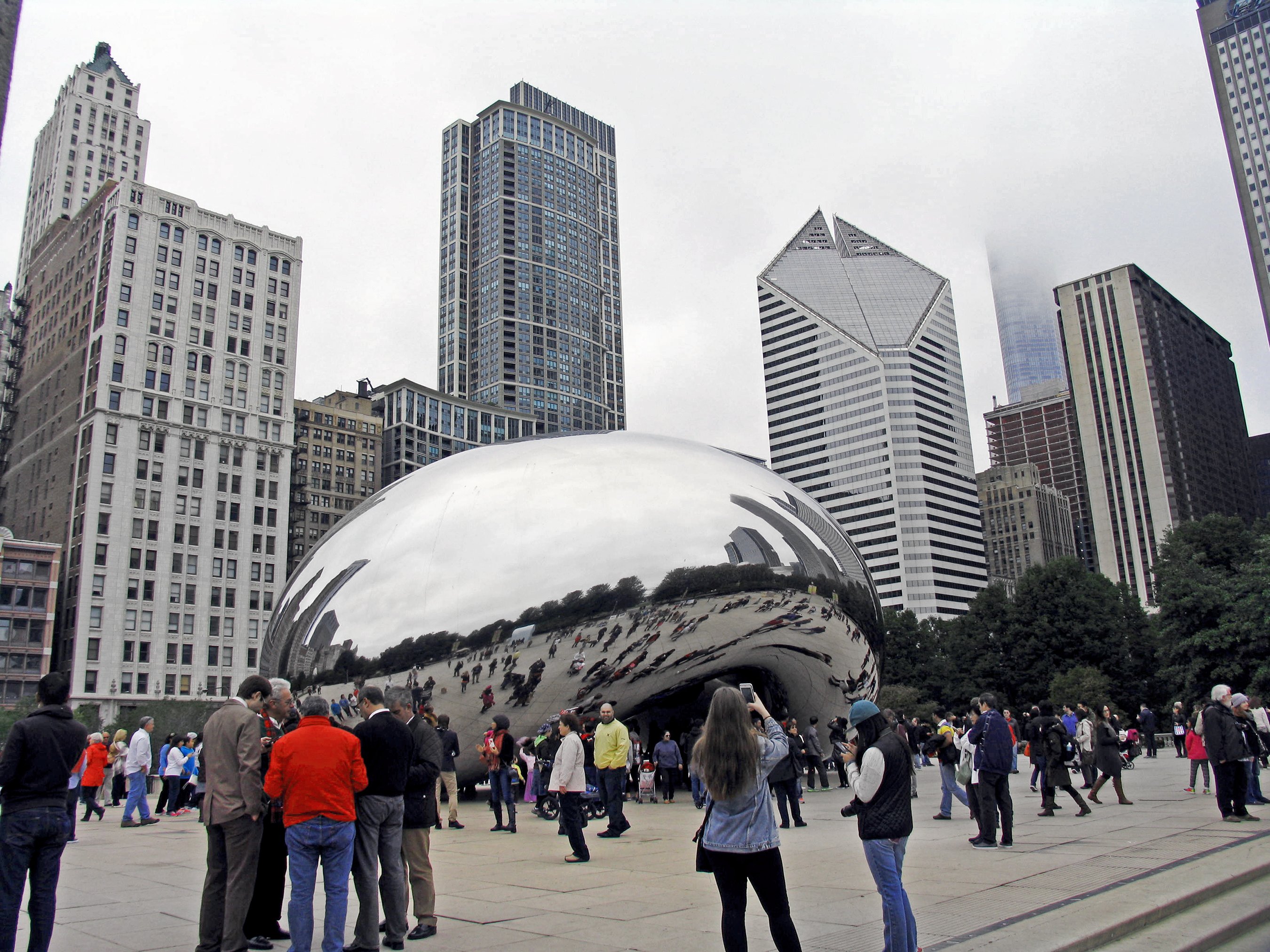
Chicago, the Windy City, has a Lot to Offer to Visitors

Cloud Gate, nicknamed The Bean, in Millenium Park, Chicago. (Dr. Noorali Bharwani)

If you haven’t been to Chicago then you are missing out on something. I was there to attend the American College of Surgeons meeting. Chicago is home to opera, jazz, museums, aquariums, parks, fountains, theatres, shopping malls, restaurants and extensive walking trails along the river.

Chicago was founded in 1833. It is the third most populous city in the United States. With over 2.7 million residents, it is the most populous city in the state of Illinois and the Midwest.

Chicago’s O’Hare International Airport is the busiest airport in the world when measured by aircraft traffic. The region also has the largest number of U.S. highways and railroad freight. Chicago has many nicknames, the best-known being the Windy City.

In Chicago, tourism is a serious business. In 2014, Chicago attracted 50 million domestic leisure travellers, 11 million domestic business travellers and 1.3 million overseas visitors. These visitors contributed more than US$13.7 billion to Chicago’s economy.

There are many ways to take sightseeing tours in Chicago. Ferries offer sightseeing tours along the Chicago River and Lake Michigan. You can take Hop-On Hop-Off tourist bus or you can walk. A 2011 study by Walk Score ranked Chicago the fourth most walkable of fifty largest cities in the United States.

Chicago’s Attractions

  1. The Magnificent Mile
    Chicago’s Magnificent Mile is the great Chicago shopping experience with an abundance and variety of boutiques and stores. It can satisfy all your shopping needs with towering shopping centers, chic designer studios, intimate specialty retail shops, iconic department stores, lavish luxury boutiques and trendy favorites all within an easy stroll.

  2. The Millennium Park

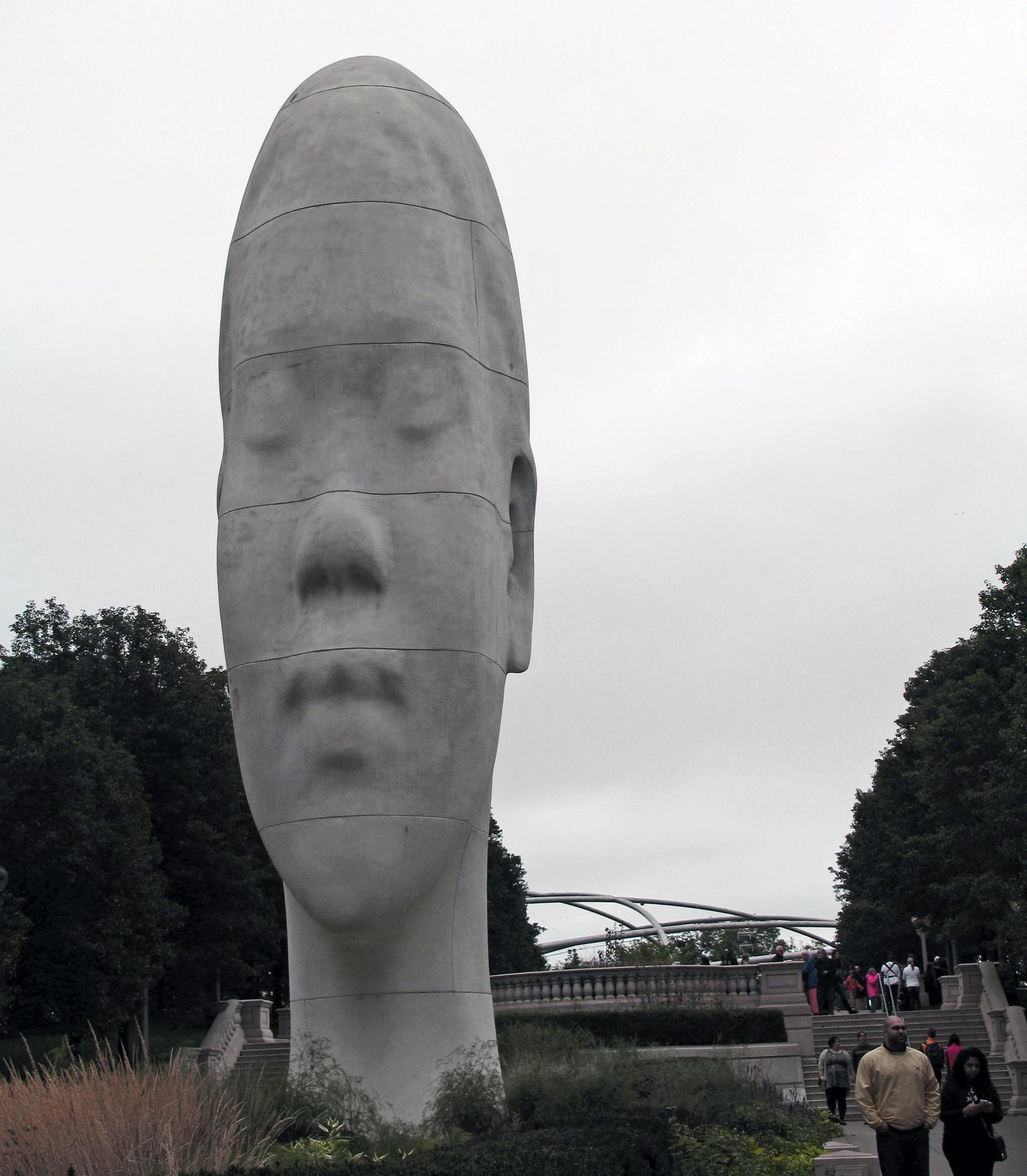
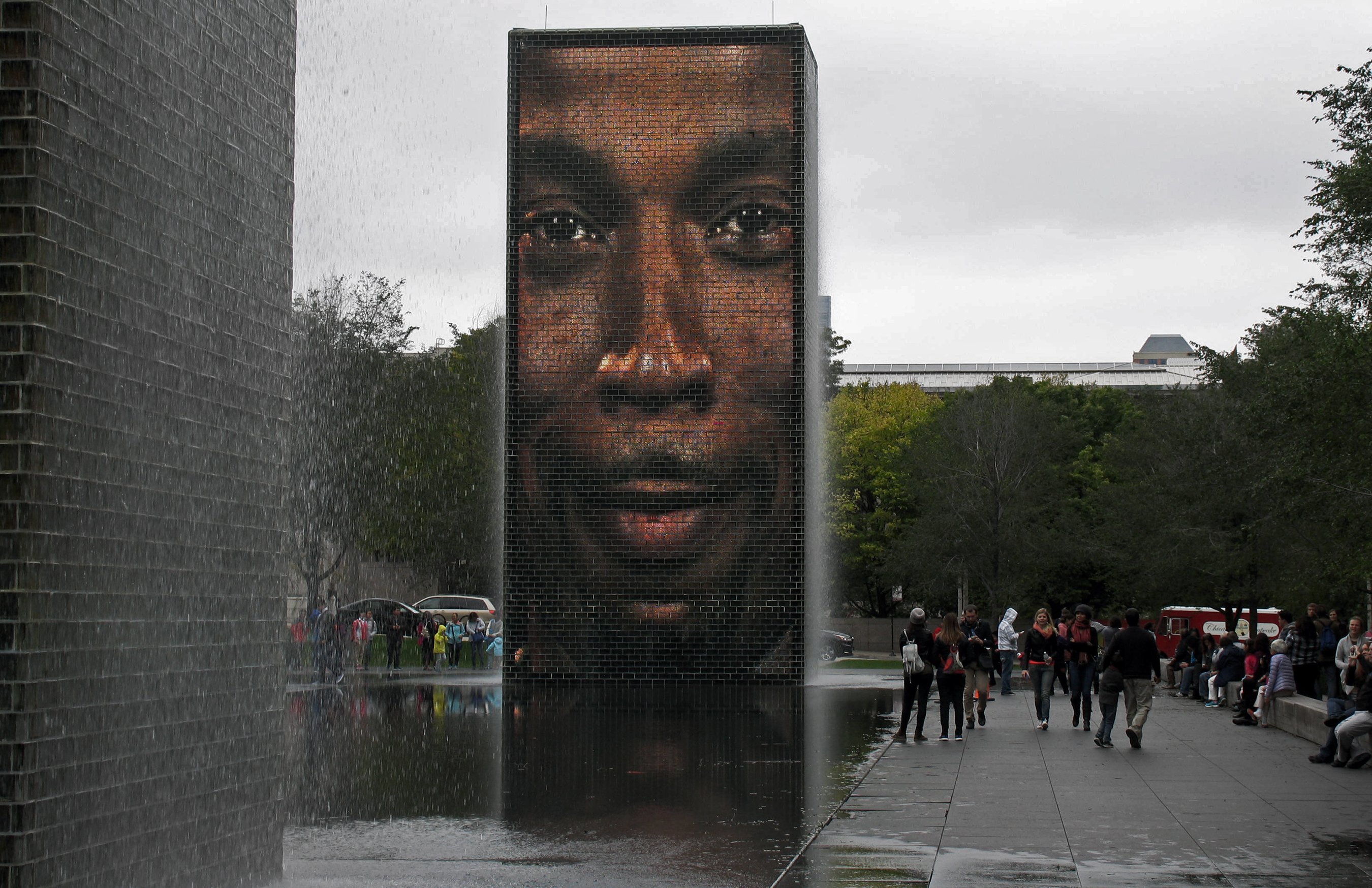
    The Bean (Cloud Gate) at Millenium Park in Chicago. (Dr. Noorali Bharwani) Looking Into My Dreams, Awilda, is one of four large-scale portrait sculptures titled Jamue Plensa: 1004 Portraits, in Millennium Park, Chicago. (Dr. Noorali Bharwani) Chicago Crown Fountain Sculpture (Dr. Noorali Bharwani)
    In Millennium Park, there is the reflective Cloud Gate sculpture. Cloud Gate, a public sculpture by Indian-born British artist Anish Kapoor, is the centerpiece of the AT&T Plaza in Millennium Park. Also, an outdoor restaurant transforms into an ice rink in the winter season. Two tall glass sculptures make up the Crown Fountain. The fountain’s two towers display visual effects from LED images of Chicagoans’ faces, along with water spouting from their lips.

  3. Chicago Riverwalk and River Cruise
    Originally, the Chicago River flowed into Lake Michigan, which was the source of the city’s drinking water. To improve public heath by reducing water pollution, engineers completed the reversal of the flow of the river in 1900. Now the water flows into Mississippi River and this keeps Lake Michigan clean. Since 1970, the city reduced pollution and started to beatify riverbanks with dazzling views, landscaped riverwalks, parks and cafes. The river today is a constantly changing and improving.

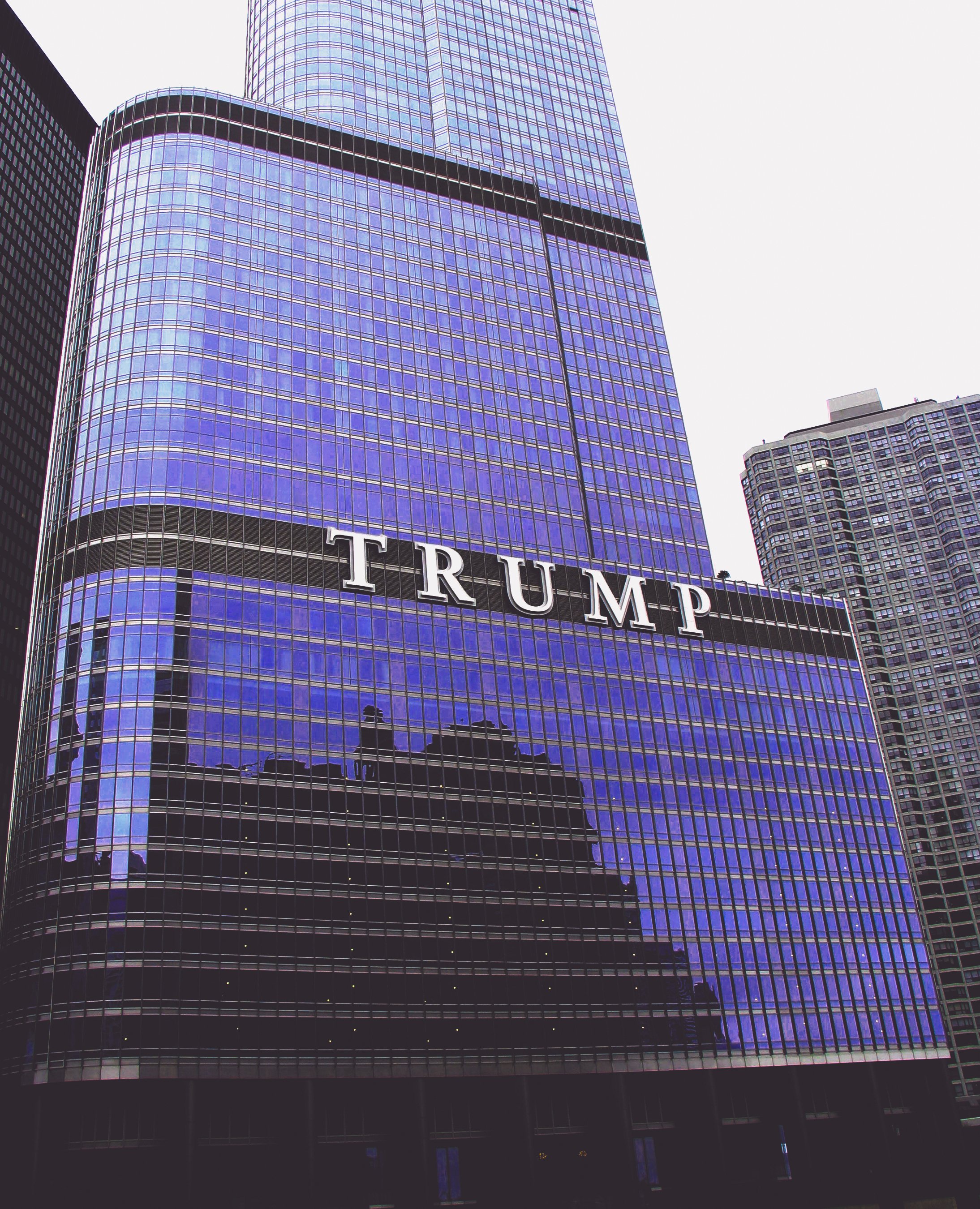
  4. Trump International Hotel and Tower (2009) – 1388 feet (423.1 meters)
    Trump International Hotel and Tower in Chicago. (Dr. Noorali Bharwani)
    At over 90 stories, Trump Tower, with a hotel at the base and residential units above, was designed by Skidmore, Owings and Merrill, the firm responsible for Burj Khalifa, Dubai the world’s current tallest building.

  5. The Chicago Loop
    The Chicago Loop is the central business district. The best way to go through the Loop is by taking Hop-On Hop-Off sight seeing bus.

With an estimated completion date of 2020, the Barack Obama Presidential Center will be housed at the University of Chicago in Hyde Park and include both the Obama presidential library and offices of the Obama Foundation.

If you plan to visit Chicago then make sure you plan well. Enjoy!

Start reading the preview of my book A Doctor's Journey for free on Amazon. Available on Kindle for $2.99!